

What is sexual satisfaction? A complete guide
TL;DR:
- Sexual satisfaction is a complex, multidimensional experience involving physical sensations, emotional connection, and partner dynamics. Validated scales like GMSEX and NSSS measure satisfaction reliably across cultures and orientations, highlighting the importance of emotional safety and communication. Improving satisfaction relies on honest dialogue, reducing performance pressure, and addressing physical or emotional barriers for lasting fulfillment.
Sexual satisfaction is defined as a subjective appraisal of pleasure and fulfilment derived from one’s sexual experiences, shaped by physical sensations, emotional connection, and partner dynamics. It is not simply a measure of how often you have sex or whether you reach orgasm. The Global Measure of Sexual Satisfaction (GMSEX) and the New Sexual Satisfaction Scale (NSSS) both confirm that satisfaction is a multidimensional construct, meaning it draws from emotional closeness, sensory experience, and the quality of sexual exchange. Research links sexual satisfaction to relationship quality, overall health, and quality of life, making it one of the most overlooked pillars of personal well-being.
What is sexual satisfaction and why does it go beyond orgasm?
Sexual satisfaction is best understood as a multidimensional subjective evaluation, not a simple checklist of acts or outcomes. Focusing only on orgasm or frequency misses the key drivers. Two people with identical sexual routines can report entirely different levels of satisfaction because the meaning they attach to those experiences differs. That subjective appraisal process is central to the definition.
The NSSS identifies five distinct dimensions that together constitute sexual satisfaction:
- Sexual sensations: The physical pleasure and bodily awareness experienced during intimacy.
- Sexual presence and awareness: The ability to stay mentally present and engaged rather than distracted or self-critical.
- Emotional connection: Feeling close, respected, and safe with a partner.
- Sexual exchange: The quality of give-and-take, including responsiveness and attunement.
- Sexual activity: The range, variety, and intensity of activities that feel fulfilling to both individuals.
These five NSSS dimensions show strong correlations with global satisfaction measures, with correlation coefficients ranging from r=.44 to r=.67. That range tells you something important: no single dimension dominates. Emotional connection and physical sensation each carry weight, and neglecting one tends to reduce the whole.
Pro Tip: If you feel physically satisfied but emotionally distant after sex, that gap is worth examining. Satisfaction in the fullest sense requires both dimensions to be present.
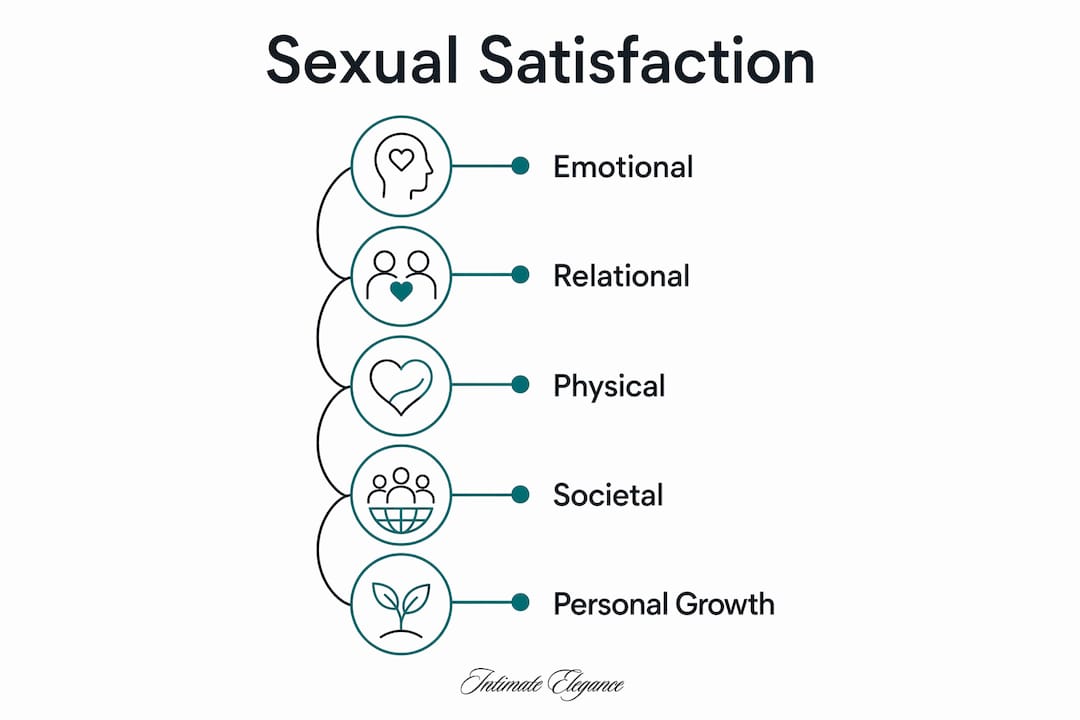

Sexual satisfaction is also not a fixed state. It shifts across life stages, relationship phases, and personal circumstances. Some people report fulfilling sex lives with infrequent activity, while others with frequent sex report low satisfaction. There is no universal standard for frequency or performance that defines a satisfying sex life.
How is sexual satisfaction measured scientifically?
Measuring something as personal as sexual satisfaction requires validated instruments that work across cultures, genders, and sexual orientations. Two scales dominate the research: the GMSEX and the NSSS.
| Scale | Structure | Validated across |
|---|---|---|
| GMSEX (Global Measure of Sexual Satisfaction) | Single dimension, short instrument | 51,778 adults across multiple cultures and orientations |
| NSSS (New Sexual Satisfaction Scale) | Five dimensions, longer format | Multiple genders, orientations, and relationship types |
| NSSS-S (Short Form) | Condensed version of NSSS | Clinical and research settings requiring brevity |
The GMSEX was validated cross-culturally with 51,778 adults and demonstrated measurement invariance across genders and sexual orientations. Measurement invariance means the scale measures the same construct in the same way regardless of who completes it. That is a significant finding. It validates treating sexual satisfaction as a coherent scientific construct rather than something too personal to quantify.
Why does this matter outside a laboratory? Because these tools allow clinicians and therapists to track changes in satisfaction over time, assess the effectiveness of interventions, and identify where specific dimensions are lacking. If a patient scores low on emotional connection but high on physical sensations, a therapist can target communication and intimacy work rather than physical technique. The measurement makes the invisible visible.
Reliable measurement over time also removes the guesswork from conversations about sexual health. Rather than relying on vague impressions, individuals and couples can identify specific areas for growth with greater precision.
What factors affect sexual satisfaction and overall well-being?
Sexual satisfaction does not exist in isolation. Emotional, relational, physical, and societal forces all shape how you experience and evaluate your sex life. Understanding these factors is the first step toward addressing them.
Emotional factors carry considerable weight. Stigma, shame, and low self-esteem directly reduce arousal and satisfaction by disrupting mental focus and emotional safety during sex. Internalised negative beliefs about your body, your desires, or your worthiness of pleasure create psychological noise that makes genuine presence during intimacy difficult. Therapy often targets these barriers precisely because they operate beneath conscious awareness.
Relational factors are equally significant. Communication, trust, and partner responsiveness consistently predict satisfaction levels. When partners feel heard and respected, the emotional connection dimension of the NSSS rises, which in turn lifts overall satisfaction. Conversely, unresolved conflict, power imbalances, or a lack of honest dialogue about desires tends to erode satisfaction even when the physical aspects of a relationship remain intact.
Physical and medical factors also play a direct role. Consider the following common influences:
- Sexual dysfunctions such as painful intercourse or low desire affect all genders and age groups and can significantly reduce satisfaction if left unaddressed.
- Hormonal changes related to ageing, pregnancy, or medication alter physical response and require adjustment rather than avoidance.
- Chronic illness, fatigue, and mental health conditions such as depression reduce both desire and the capacity for presence during intimacy.
- Body image concerns, even in the absence of clinical dysfunction, lower confidence and disrupt the sensory awareness dimension of satisfaction.
Pro Tip: If physical discomfort during sex has persisted for more than a few weeks, a GP or sexual health specialist is the right first call. Many causes are treatable, and addressing them directly protects long-term satisfaction.
Sexual satisfaction correlates positively with overall health and relationship quality. That correlation runs in both directions. Poor sexual satisfaction can reduce relationship quality and mental health, while improving one often lifts the others. Treating it as a peripheral concern misses its genuine impact on daily well-being.
How to achieve sexual satisfaction: practical strategies that work
Improving sexual satisfaction is less about technique and more about creating the conditions in which genuine fulfilment becomes possible. Harvard Health recommends systemic changes over isolated acts, and the research supports that framing.
The most effective approaches include:
- Open communication with your partner. Talking honestly about desires, boundaries, and what feels good is the single most consistent predictor of improved satisfaction. Many people avoid these conversations out of fear of rejection, but the discomfort of one honest conversation is far smaller than years of unmet needs.
- Sensate-focus exercises. Developed originally in sex therapy, sensate focus involves taking turns giving and receiving non-sexual touch with no performance goal attached. It rebuilds physical awareness and reduces the anxiety that often accompanies goal-oriented sex. Harvard Health specifically endorses this approach as a practical starting point.
- Reducing performance pressure. Satisfaction drops sharply when sex becomes a test rather than an experience. Removing the expectation of orgasm as the sole measure of success allows both partners to be more present, which directly supports the presence and awareness dimension of the NSSS.
- Allowing adequate time and relaxation. Rushed or stressed sexual encounters rarely produce the emotional connection or sensory awareness that satisfaction requires. Creating space, whether through scheduling intimacy or reducing external stressors, is a practical and underrated strategy.
- Exploring intimacy-enhancing products. Vibrators, couples’ devices, and other pleasure tools can introduce variety, support physical sensation, and give partners new ways to explore each other’s responses. They work best as additions to an already communicative relationship rather than substitutes for connection.
- Seeking professional support. When low desire, pain, or persistent dissatisfaction is present, a sex therapist or GP can identify underlying causes and recommend targeted interventions. Therapy is not a last resort. It is often the most efficient path to lasting improvement.
You can also explore a practical pleasure guide for additional evidence-informed approaches to enhancing your intimate experiences.
Key takeaways
Sexual satisfaction is a multidimensional subjective experience that requires emotional connection, physical awareness, and open communication to reach its full potential.
| Point | Details |
|---|---|
| Definition is multidimensional | Satisfaction involves sensations, emotional closeness, presence, and sexual exchange, not just orgasm frequency. |
| Validated measurement exists | The GMSEX and NSSS allow reliable tracking of satisfaction across cultures, genders, and orientations. |
| Emotional factors matter most | Shame, stigma, and poor communication reduce satisfaction more than physical limitations in most cases. |
| Systemic changes outperform quick fixes | Sensate focus, honest dialogue, and reduced performance pressure produce lasting improvement. |
| Medical issues are treatable | Sexual dysfunctions affecting satisfaction respond well to clinical intervention when addressed early. |
Why satisfaction is more personal than any scale can capture
I have read a great deal of the research on sexual satisfaction, and what strikes me most is how consistently people underestimate the emotional dimension. The NSSS gives us five components, and most people, when they think about improving their sex lives, head straight for the physical end of that list. They focus on technique, frequency, or novelty. Those things matter, but they rarely move the needle on their own.
What actually changes satisfaction, in my observation, is the quality of the conversation that happens outside the bedroom. Partners who can say “that felt disconnected tonight” or “I want more of that” without fear are the ones who report genuine, sustained fulfilment. That kind of emotional safety does not appear automatically. It is built through repeated small acts of honesty and respect.
There is also a broader societal issue worth naming. Many people carry internalised standards about what a satisfying sex life is supposed to look like, drawn from media, peer comparisons, or cultural messaging. Those standards are almost always unhelpful. The research is clear that there is no universal standard for frequency or performance. Satisfaction is defined by your own appraisal, not by an external benchmark. The moment you stop measuring your experience against someone else’s imagined norm, the space for genuine satisfaction opens up considerably.
If I could offer one reframe, it would be this: stop asking whether your sex life is normal and start asking whether it feels genuinely fulfilling to you. Those are very different questions, and only the second one leads anywhere useful.
— Bartosz
Explore intimacy with Intimate-elegance

At Intimate-elegance, we believe that understanding your own desires is the foundation of a fulfilling intimate life. Our curated collection of premium vibrators, couples’ devices, and sensory accessories is designed to support the physical and emotional dimensions of satisfaction that the research consistently highlights. Every product is selected with quality and discretion in mind, and all orders ship anonymously across the EU. Whether you are exploring solo pleasure or deepening connection with a partner, you will find thoughtfully chosen tools at Intimate-elegance to support your journey. You can also read our sexual wellness guide for broader context on building a fulfilling intimate life.
FAQ
What is the definition of sexual satisfaction?
Sexual satisfaction is defined as a subjective appraisal of pleasure and fulfilment within one’s sexual experiences, incorporating physical sensations, emotional connection, and partner dynamics. It is a multidimensional construct, not simply a measure of orgasm frequency or sexual activity.
Does sexual satisfaction require a partner?
No. Sexual satisfaction applies to both partnered and solo sexual experiences. The NSSS and GMSEX both assess individual appraisal of sexual fulfilment, which can be achieved independently of a partner relationship.
What are the most common factors affecting sexual satisfaction?
Emotional factors such as shame and low self-esteem, relational factors such as poor communication, and physical factors such as sexual dysfunction or hormonal changes are the most commonly cited influences on satisfaction levels.
Can sexual satisfaction be improved without therapy?
Yes. Open communication, sensate-focus exercises, reduced performance pressure, and adequate time for intimacy are all evidence-based strategies that individuals and couples can practise independently. Therapy becomes advisable when physical dysfunction or deep psychological barriers are present.
How does sexual satisfaction affect overall health?
Sexual satisfaction correlates positively with relationship quality, mental health, and general well-being. Low satisfaction is associated with reduced quality of life, while improving it tends to have positive effects across multiple areas of health simultaneously.