

Why prioritise sexual wellbeing: a complete guide
TL;DR:
- Sexual wellbeing is a comprehensive state of physical, emotional, mental, and social health related to sexuality, encompassing pleasure and safety. Prioritizing sexual health improves mental wellbeing, relationship quality, and life satisfaction, and it is modifiable through targeted interventions and open communication. Addressing barriers, adapting strategies across different life stages, and integrating pleasure into clinical care are essential for fostering holistic sexual wellness throughout the lifespan.
Sexual wellbeing is defined by the World Health Organisation as a state of physical, emotional, mental, and social wellness in relation to sexuality. It is not simply the absence of disease or dysfunction. The WHO’s framework explicitly includes pleasurable, safe sexual experiences free from coercion, discrimination, and violence. This framing matters because it shifts the conversation from managing problems to actively cultivating something that contributes to your quality of life. Understanding why prioritise sexual wellbeing means recognising it as a pillar of overall health, not a peripheral concern reserved for clinical settings.
Why prioritise sexual wellbeing: what the evidence shows
Research consistently links sexual wellbeing to measurable improvements in mental health, relationship quality, and life satisfaction. Adults who report positive sexual experiences show lower rates of depression and anxiety, and higher scores on general wellbeing assessments. This is not coincidental. Sexual health and wellbeing share biological and psychological pathways with mood regulation, stress response, and social bonding.
“Focusing only on dysfunction misses what truly matters to quality of life; including pleasure and meaningful relationships enhances health outcomes.” — Nature Reviews Urology
A 2026 randomised controlled trial of the digital therapeutic mylovia demonstrated that structured intervention improved sexual functioning in women, with sustained effects on desire, satisfaction, and overall quality of life. The significance here is clear: sexual wellbeing is modifiable. It responds to targeted effort, whether through digital tools, counselling, or intentional self-care.
The data on public health gaps is equally striking. A Columbia University report found that 87% of adults reported high recent sexual pleasure, yet only 56% reported overall satisfaction, and STI and HIV testing rates remained low. That 31-point gap between pleasure and satisfaction signals that many adults are experiencing physical enjoyment without the deeper fulfilment that comes from holistic sexual health. Addressing that gap is precisely why the importance of sexual health extends beyond the bedroom.
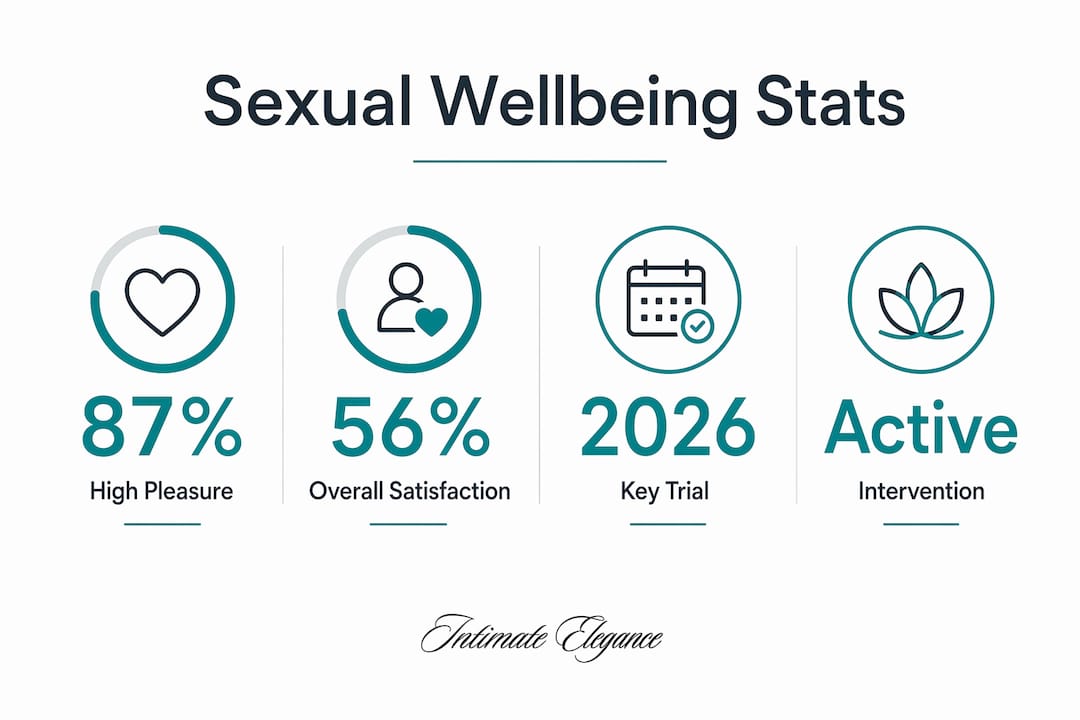
| Measure | Finding |
|---|---|
| Adults reporting high sexual pleasure | 87% |
| Adults reporting overall sexual satisfaction | 56% |
| Gap between pleasure and satisfaction | 31 percentage points |
| mylovia trial outcome | Significant improvement in function, desire, and satisfaction |
How does pleasure relate to sexual health and wellbeing?
The field of sexual medicine has undergone a meaningful shift. For decades, clinical frameworks focused almost exclusively on dysfunction: erectile difficulties, pain disorders, low libido treated as medical problems to be corrected. Nature Reviews Urology now calls for a paradigm shift in sexual medicine that places pleasure at the centre of research and healthcare. This is not a trivial reframing. It changes what clinicians measure, what patients are encouraged to discuss, and what counts as a successful outcome.

Pleasure, consent, and communication form an interconnected triad. None functions well without the others. Consent is the foundation of any positive sexual experience, and freedom from coercion is explicitly part of the WHO’s definition of sexual health. Open communication with partners about desires, boundaries, and concerns directly predicts satisfaction and reduces the likelihood of distress.
Several barriers prevent adults from having these conversations:
- Stigma around sexual topics in healthcare settings leads many people to underreport difficulties or avoid raising them entirely.
- Discomfort discussing sexual issues with GPs or specialists means problems persist longer than necessary.
- Misinformation about what constitutes “normal” sexual experience creates unnecessary shame and unrealistic expectations.
- Gender disparities in how sexual concerns are received and treated by clinicians remain a documented problem.
Pro Tip: Before your next GP appointment, write down any sexual health concerns you want to raise. Having them written down reduces the likelihood that discomfort will cause you to skip the conversation entirely.
Addressing these barriers is a core reason to actively prioritise sexual health rather than waiting for a crisis to prompt action.
How does sexual wellbeing change across the lifespan?
Sexual wellbeing does not remain static. Its expression, priorities, and challenges shift through adulthood, and understanding this evolution prevents unnecessary distress when change occurs.
Research on what is now called “successful sexual ageing” reframes the conversation for midlife and older adults. The framework moves away from frequency as the primary measure and towards intimacy, autonomy, and emotional connection. Persistent sexual inactivity in older adults correlates with reduced relational intimacy and higher depressive symptoms, but the solution is not simply to increase frequency. It is to preserve meaningful connection and adapt expectations to changing circumstances.
The four key life stages and their typical sexual wellbeing priorities look like this:
- Young adulthood (18 to 30): Establishing sexual identity, learning communication skills, building consent literacy, and navigating early relationship dynamics.
- Early midlife (30 to 45): Balancing sexual wellbeing with career and parenting pressures; addressing the first signs of hormonal change; deepening intimacy with long-term partners.
- Later midlife (45 to 60): Managing perimenopause and andropause effects on desire and function; redefining pleasure beyond penetrative sex; increasing focus on emotional connection.
- Older adulthood (60 and beyond): Prioritising intimacy and acceptance over performance; adapting to physical changes with creativity; maintaining sexual identity as part of overall self-concept.
Comparing the two dominant clinical approaches to sexual difficulties across these stages is useful:
| Approach | Focus | Best suited for |
|---|---|---|
| Biomedical model | Physical symptoms, hormonal treatment, medication | Clearly physiological causes such as hormonal deficiency |
| Biopsychosocial model | Biological, psychological, and relational factors together | Complex or persistent difficulties with multiple contributing causes |
Sexual difficulties almost always involve interacting biological, psychological, and relational factors. Treating only the physical component without addressing the psychological and relational context consistently impedes improvement. The biopsychosocial model is now the clinical standard for this reason.
What are the most effective sexual wellbeing strategies?
Improving sexual wellbeing does not require a diagnosis or a crisis. The most effective strategies are those integrated into ordinary life before problems become severe.
- Start conversations with your healthcare provider early. Many adults wait until sexual distress is severe before raising it with a clinician. Routine early discussions improve detection and outcomes because needs are identified before they compound. Normalising these conversations is one of the highest-return habits you can build.
- Use evidence-based digital therapeutics. Tools like mylovia demonstrate that structured digital interventions produce clinically significant results. If in-person therapy is inaccessible or uncomfortable, digital options reduce barriers without sacrificing effectiveness.
- Engage with structured counselling models. The BETTER model and cognitive behavioural therapy (CBT) approaches have demonstrated effectiveness across diverse populations, including postmenopausal women. These frameworks address dysfunctional beliefs, communication patterns, and relational dynamics simultaneously.
- Invest in intentional self-care and pleasure. Exploring your own desires, preferences, and responses through self-directed practice is a legitimate and evidence-supported component of sexual wellbeing. This includes using quality products designed for pleasure, which Intimate-elegance covers in detail in its guide to enhancing pleasure holistically.
- Practise safer sex as part of a positive framework. Safer practices are not just about risk reduction. They are an expression of respect for yourself and your partners, and they reduce the anxiety that can undermine pleasure and satisfaction.
Pro Tip: The Intimate-elegance sexual wellness guide for 2026 offers a structured starting point for adults who want practical, evidence-informed steps to improve their sexual health without clinical jargon.
The benefits of sexual wellness compound over time. Adults who address their sexual health proactively report better relationship satisfaction, lower anxiety, and a stronger sense of personal agency. These are not trivial outcomes. They are central to a life well lived.
Key takeaways
Sexual wellbeing is a measurable, modifiable dimension of overall health that responds to intentional effort, evidence-based intervention, and open communication.
| Point | Details |
|---|---|
| Holistic definition matters | Sexual wellbeing includes pleasure, safety, and freedom from coercion, not just absence of disease. |
| Evidence supports prioritisation | Research links positive sexual health to lower depression, better relationships, and higher life satisfaction. |
| Pleasure belongs in clinical care | Nature Reviews Urology calls for integrating pleasure into sexual medicine frameworks, not just treating dysfunction. |
| Wellbeing evolves across life | Successful sexual ageing prioritises intimacy and adaptation over frequency, requiring shifting strategies at each stage. |
| Early action produces better outcomes | Routine conversations with healthcare providers and structured interventions improve results before distress becomes severe. |
Why I think we are still getting this wrong
Most adults I encounter treat sexual wellbeing the way they treat dental health: they ignore it until something hurts, then seek emergency repair. The result is that a dimension of life with genuine power to affect mood, relationships, and self-concept gets managed reactively rather than cultivated proactively.
The social stigma around discussing sexual health is real, but it is also, in my view, the single biggest obstacle to better outcomes. The Columbia University data showing a 31-point gap between pleasure and satisfaction is not a mystery. It reflects a population that experiences physical sensation without the communication, safety, and holistic engagement that turn sensation into genuine fulfilment. That gap is not biological. It is cultural and behavioural, which means it is addressable.
What I find most compelling about the current research is the shift towards pleasure as a legitimate clinical and public health concern. For years, the field treated pleasure as a bonus, something that happened if the dysfunction was fixed. The work coming out of Nature Reviews Urology and the mylovia trial suggests a different model: that pleasure itself is therapeutic, that pursuing it intentionally improves health outcomes, and that framing sexual wellbeing around flourishing rather than failure changes what people are willing to do about it.
The practical implication is straightforward. Stop waiting for something to go wrong. Treat your sexual wellbeing with the same regularity you bring to exercise or nutrition. Have the conversations, use the tools available to you, and recognise that this is not indulgence. It is health.
— Bartosz
Discover how Intimate-elegance supports your sexual wellbeing

Intimate-elegance is built around the belief that quality products and honest information belong together. The platform offers a curated selection of premium vibrators, stimulators, and couples’ accessories, all available with discreet EU-wide shipping and secure transactions. Whether you are exploring solo pleasure, deepening intimacy with a partner, or simply investing in your own self-care, the Intimate-elegance shop provides a luxurious, judgement-free starting point. Every product is selected with quality and discretion in mind, because your sexual wellbeing deserves the same thoughtful attention you give to every other aspect of your health.
FAQ
What is sexual wellbeing, exactly?
Sexual wellbeing is defined by the WHO as a state of physical, emotional, mental, and social wellness in relation to sexuality. It includes pleasurable, safe experiences free from coercion and access to quality information and healthcare.
Can sexual wellbeing be improved with targeted interventions?
Yes. The 2026 mylovia randomised controlled trial showed significant, sustained improvements in sexual functioning and satisfaction in women following a structured digital intervention, confirming that sexual wellbeing is responsive to treatment.
Why is there a gap between sexual pleasure and overall satisfaction?
Research from Columbia University found that 87% of adults report high sexual pleasure but only 56% report overall satisfaction. This gap reflects unmet needs in communication, safety, emotional connection, and healthcare engagement.
How does sexual wellbeing change with age?
Successful sexual ageing frameworks show that older adults benefit most from prioritising intimacy, autonomy, and emotional connection rather than frequency. Adaptation to physical changes, not avoidance of sexuality, predicts better outcomes.
When should I talk to a doctor about sexual health?
Routine, early conversations with a healthcare provider produce better outcomes than waiting for distress to become severe. If you have any concerns about desire, function, pain, or satisfaction, raise them at your next appointment rather than waiting for the problem to worsen.