

Adult product market trends in 2026: what's driving growth
TL;DR:
- Consumer preferences are shifting to view sexual wellness as an essential part of overall self-care, emphasizing education, inclusivity, and discreet packaging. Technological innovation, particularly app-connected devices and AI diagnostics, enhances personalization but raises privacy concerns requiring careful scrutiny. Premium brands and fast-growing categories like lubricants and wellness supplements are shaping the evolving adult products market in 2026.
A market trend in adult products is defined as a measurable shift in consumer demand, purchasing behaviour, or product innovation within the sexual wellness and pleasure goods sector. The global sexual health products market is projected to reach $208.77 billion by 2030, growing at a 9.4% CAGR. That figure tells you this is no longer a niche category operating in the shadows. Brands like Durex, LELO, Satisfyer, plusOne, and Cake are competing openly for shelf space and screen time, and the forces shaping what consumers buy are more sophisticated than ever. Understanding what is market trend in adult products means tracking technology, social norms, retail channels, and consumer psychology all at once.
What are the major consumer-driven trends in adult products?
Consumer preferences are the primary engine behind adult product market analysis in 2026. The most significant shift is the repositioning of sexual wellness as a legitimate pillar of personal health, sitting alongside sleep, nutrition, and fitness in the self-care conversation. Millennials and Gen Z are the loudest advocates for this framing, and they bring specific expectations: education, transparency, and products that do not feel clinical or shameful.
Several concrete behaviours define this shift:
- Holistic wellness framing. Shoppers now search for products that address libido, stress relief, and relationship quality together, not just physical stimulation. Brands that speak to emotional and relational outcomes attract stronger loyalty.
- Demand for education. Younger consumers research before they buy. Detailed product descriptions, usage guides, and honest reviews are no longer optional extras. They are purchase prerequisites.
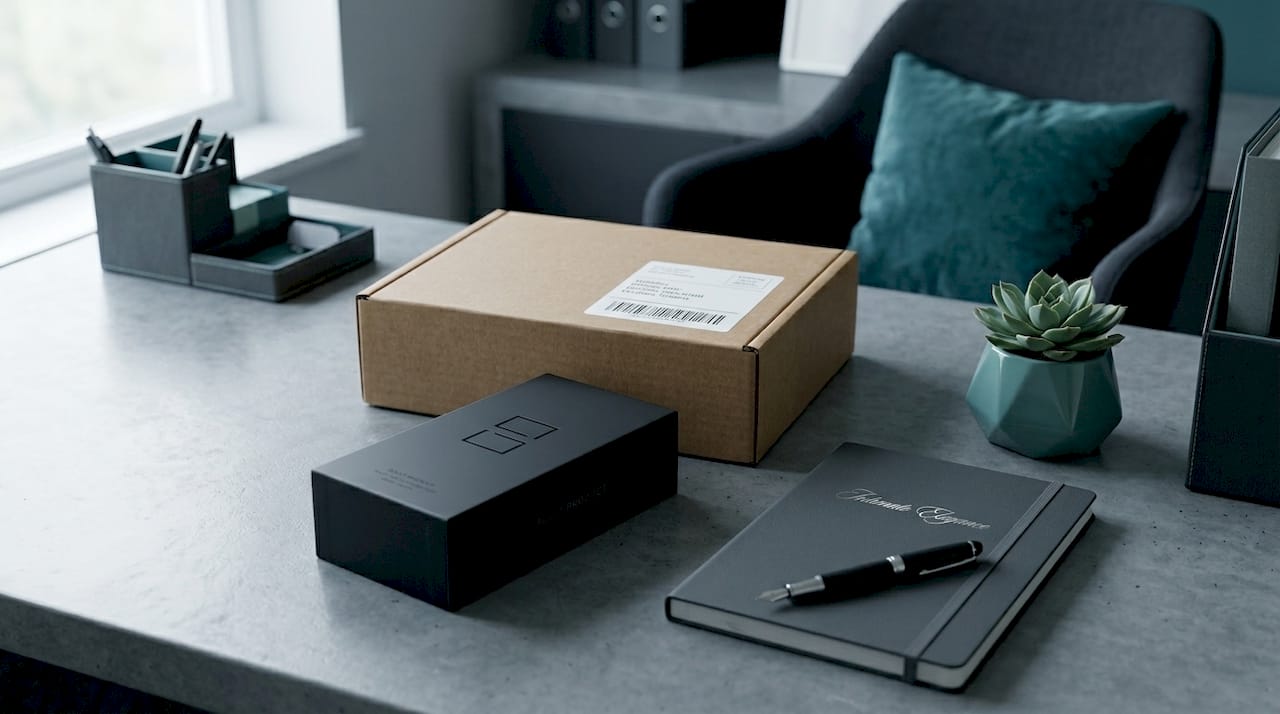
- The “Sephora-ification” of packaging. Adult product packaging is mimicking mainstream personal care aesthetics, with clean typography, muted palettes, and minimalist forms. This makes products easier to display, gift, and discuss openly.
- Inclusivity and diversity. Products designed for a broader range of bodies, orientations, and relationship structures are growing faster than traditional heteronormative ranges. Brands that ignore this segment are losing ground.
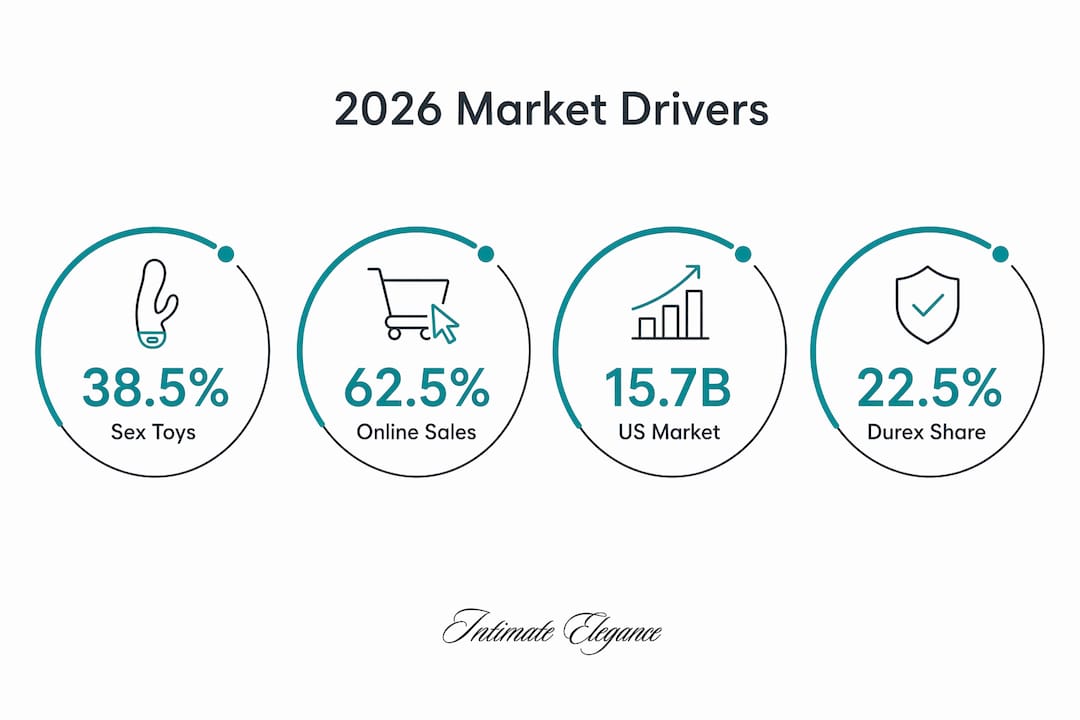
- E-commerce dominance. Online retail holds a 62.5% share of the sexual wellness market. Privacy and convenience are the two reasons most cited by shoppers for preferring digital channels over physical stores.
Pro Tip: When shopping online, look for retailers that offer plain, unmarked packaging and encrypted payment processing. These are reliable signals of a brand that takes your privacy as seriously as you do.
The market growth slowdown is paired with rising demand for education, discretion, and better targeting, especially among younger shoppers. This means brands can no longer rely on volume alone. Specificity and trust are the new competitive advantages.
How is technology influencing innovation in adult products?
Technology is the single most disruptive force in the current adult product market. The shift from generic sex toys to personalised, app-enabled devices is redefining what consumers expect from intimacy products. A vibrator that connects to a smartphone app, learns your preferences over time, and adjusts intensity patterns accordingly is no longer a novelty. It is increasingly the standard against which new products are measured.
Key technological developments shaping the market include:
- App connectivity. Devices from brands like LELO and Satisfyer now offer companion apps that allow remote control, pattern customisation, and partner sharing across distances. This has opened an entirely new use case for couples in long-distance relationships.
- AI-powered diagnostics. Some advanced products use biofeedback and usage data to suggest settings, track patterns, and even flag potential health indicators. This positions them closer to wellness devices than traditional pleasure products.
- Personalisation at scale. Rather than offering three speed settings, newer devices offer dozens of programmable modes. The consumer expectation is now a product that adapts to them, not one they adapt to.
“Advanced adult products offer AI-powered personalisation and diagnostics, but consumers prioritise transparency and manual control.” Sexual wellness trends, April 2026
Data privacy is the most underappreciated risk in this category. When a device tracks your usage patterns and syncs that data to a cloud server, the question of who owns that data and how it is stored becomes genuinely important. You should scrutinise privacy policies for any AI-powered adult product before purchase. Look for local data storage options, clear opt-out mechanisms, and explicit statements about third-party data sharing.
Pro Tip: Before buying any app-connected device, search the brand name alongside “data privacy” or “data breach.” If no clear privacy policy exists on the product page, treat that as a red flag.
The 2026 sexual wellness innovation boom is real, but it rewards informed buyers. Technology adds genuine value when it solves a specific problem. It adds noise when it is bolted on for marketing purposes. Knowing the difference is your most useful skill as a consumer in this market. You can explore how app-connected devices are changing intimacy for couples in more detail.
How do premiumisation and discretion shape consumer choices?
The emergence of what industry analysts call “intimate luxury” is one of the most telling signals in the current adult product market. This trend describes products that borrow the design language, materials, and retail presentation of high-end personal care and beauty goods. Think medical-grade silicone, rechargeable batteries, weighted packaging, and branding that would not look out of place in a department store beauty hall.
The comparison below illustrates how premium clinical brands differ from mainstream offerings:
| Feature | Premium or clinical brands | Mainstream brands |
|---|---|---|
| Materials | Body-safe silicone, ABS plastic, stainless steel | Mixed materials, variable safety standards |
| Packaging | Minimalist, beauty-style, gift-ready | Functional, product-focused |
| Claims | Evidence-based, linked to specific wellness outcomes | Broad pleasure or novelty claims |
| Price point | £60 to £200+ | £10 to £50 |
| Privacy features | Discreet branding, plain shipping | Variable |
Brands like MV.Health and Reverie represent the clinical end of this spectrum, linking product claims to specific sexual wellness outcomes using evidence and biofeedback data. This approach builds trust with consumers who are sceptical of vague marketing language. LELO occupies the luxury middle ground, combining premium aesthetics with broad consumer appeal. Understanding intimate luxury as a category helps you identify which products are genuinely worth the premium price.
Discreet shipping and secure payment are not merely conveniences. They are structural enablers of mainstream acceptance for adult products. Consumers who would never enter a physical adult store will purchase online if they trust the fulfilment process. Retailers that invest in plain packaging, anonymous billing descriptors, and encrypted checkout are directly expanding their addressable market.
What product categories are growing fastest in 2026?
Sex toys remain the largest subcategory within the adult products sector, accounting for approximately 38.5% of total market share. That dominance is not under threat, but the fastest growth is happening in adjacent categories that reflect the broader wellness framing discussed earlier.
The U.S. adult stores market reached $15.7 billion in 2025, growing at a 4.9% CAGR between 2020 and 2025. That steady growth masks significant variation between product categories. Personal lubricants and intimate care products are growing at above-average rates, driven by increased openness about vaginal health and the destigmatisation of lubrication as a wellness product rather than a problem-solving product.
Sexual wellness supplements, including libido support formulations and hormonal balance products, are attracting investment from both established pharmaceutical companies and direct-to-consumer wellness brands. Female contraceptives and emergency contraception are also seeing renewed consumer interest, partly driven by regulatory changes in several markets and partly by a broader conversation about reproductive autonomy.
Private label brands are gaining ground at the retail level. Major e-commerce platforms and specialist retailers are launching their own ranges, often at competitive price points, which is squeezing mid-tier branded products. The brands that survive this pressure are those with either strong premium positioning or genuine technological differentiation. You can find a broader overview of the adult product market structure and how these categories fit together.
Key takeaways
The adult product market in 2026 is defined by the convergence of technology, wellness culture, and premium design, making informed consumer choices more rewarding than ever.
| Point | Details |
|---|---|
| Market scale and growth | The global sexual health products market is projected to reach $208.77 billion by 2030 at a 9.4% CAGR. |
| Consumer-driven priorities | Education, discretion, and inclusivity now determine brand loyalty more than novelty or price alone. |
| Technology and privacy | AI-powered devices add genuine value, but you must verify data privacy policies before purchasing. |
| Premiumisation matters | Clinical and luxury brands differentiate through evidence-based claims and beauty-standard packaging. |
| Fastest-growing segments | Personal lubricants, wellness supplements, and app-connected devices are outpacing traditional toy sales. |
What I have learned from watching this market evolve
Bartosz’s perspective
The conversation around adult products has changed more in the past three years than in the previous decade. What strikes me most is not the technology or the market numbers. It is the shift in how people talk about these products, or rather, how they have stopped apologising for being interested in them.
That said, I think the tech enthusiasm in this market deserves a measured response. I have seen too many consumers pay a significant premium for app connectivity that they use twice and then ignore. The best adult product you can buy is the one that fits your actual life, not the one with the most impressive feature list. When I evaluate a new device, I ask one question first: does this solve a specific problem or meet a specific need? If the answer requires a paragraph of explanation, the product is probably designed for a press release rather than a person.
The premiumisation trend is largely positive, in my view. Aesthetically considered products that sit comfortably on a bedside table without embarrassment have genuinely helped normalise sexual wellness conversations between partners. That normalisation has real value beyond aesthetics.
My one caution is around data. The adult product category is collecting increasingly intimate behavioural data, and the regulatory framework has not kept pace. Until it does, treat any device that requires account creation and cloud sync with the same scrutiny you would apply to a health app. Your usage patterns are personal. They should stay that way.
— Bartosz
Explore Intimate-elegance’s curated 2026 collection
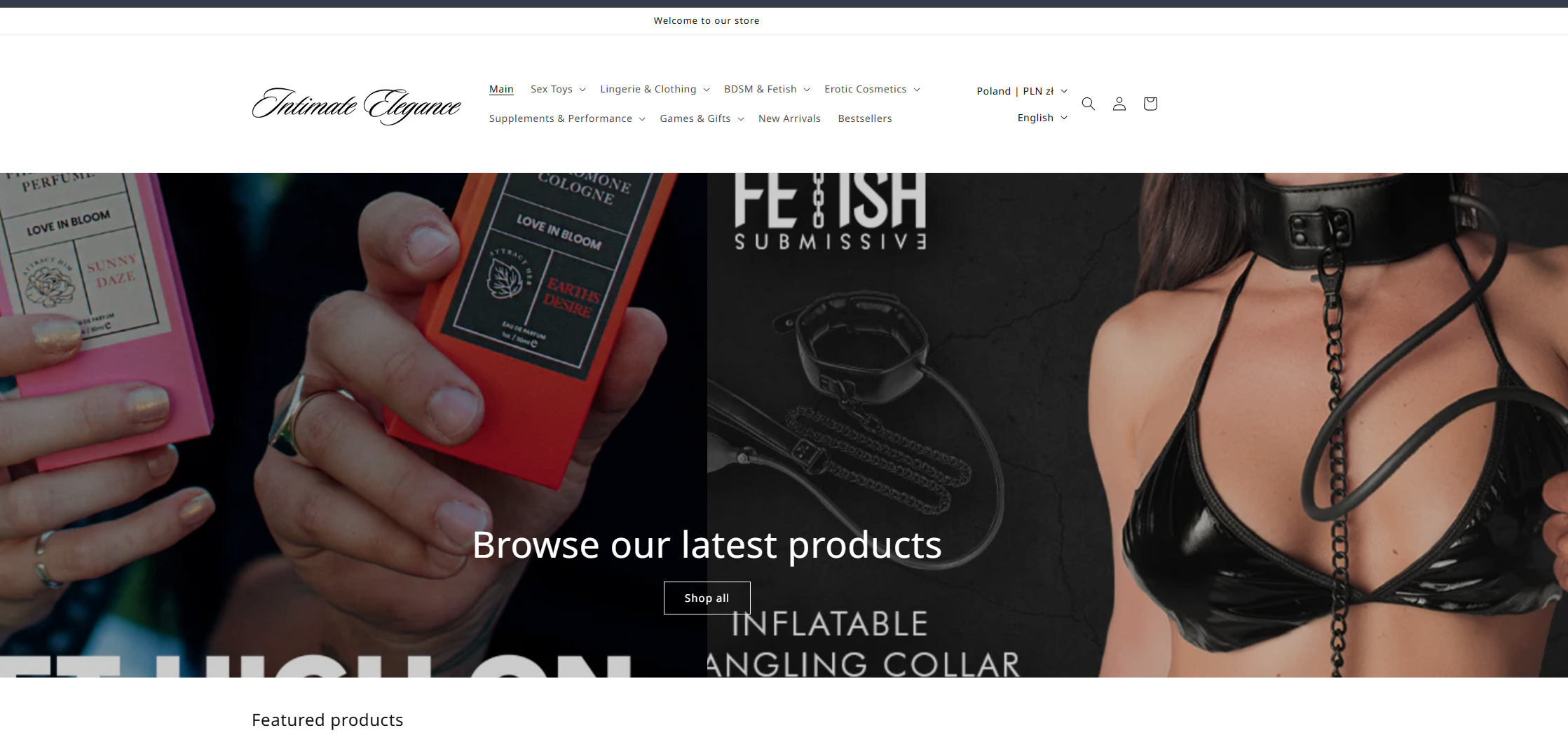
Intimate-elegance brings together the trends covered in this article into a single, carefully curated shopping experience. The platform stocks premium vibrators, couples’ devices, and intimate accessories selected for body-safe materials, thoughtful design, and genuine wellness credentials. Every order ships across the EU in plain, unmarked packaging with encrypted payment processing, so your privacy is protected at every step. If you are ready to shop with confidence, explore the full collection and find products that reflect both current market innovation and your personal priorities.
FAQ
What is a market trend in adult products?
A market trend in adult products is a measurable shift in consumer demand, product innovation, or retail behaviour within the sexual wellness sector. Current trends include premiumisation, app-connected devices, and the integration of sexual wellness into mainstream self-care routines.
Which brands lead the adult products market in 2026?
Durex holds a 22.5% market share, followed by LELO at 15.8% and Satisfyer at 12.1%, according to April 2026 market data. Emerging brands like plusOne and Cake are disrupting the mid-tier segment with accessible pricing and modern branding.
Why is e-commerce dominant in adult product sales?
Online retail accounts for 62.5% of sexual wellness sales because it offers privacy, convenience, and discreet fulfilment that physical stores cannot match. Secure payments and plain packaging are the two features most cited by consumers as reasons for choosing online channels.
Are AI-powered adult products worth buying?
AI-powered devices offer genuine personalisation benefits, but you should review the brand’s data privacy policy before purchasing. Look for products that offer local data storage and clear opt-out options rather than mandatory cloud syncing.
What is the fastest-growing product category in adult wellness?
Sex toys remain the largest category at approximately 38.5% market share, but personal lubricants, sexual wellness supplements, and app-connected couples’ devices are growing at above-average rates in 2026.