

Advantages of silicone toys: your complete guide
TL;DR:
- Choosing platinum-cured silicone for adult toys ensures safety, hygiene, durability, and a realistic sensory experience. It is non-porous, fully sterilizable, and compatible only with water-based lubricants, making it ideal for internal use and sensitive skin. Proper care and cleaning extend its lifespan, making it a cost-effective and eco-friendly investment over porous alternatives.
When you are choosing a personal pleasure toy, the material it is made from matters more than most people realise. The advantages of silicone toys go well beyond aesthetics. Silicone, specifically platinum-cured silicone, is the industry standard for premium adult toys precisely because it outperforms every competing material on safety, hygiene, durability, and sensory feel. This guide breaks down exactly what makes silicone worth choosing, how to care for it properly, and what to watch out for so your investment lasts.
Table of Contents
- Key takeaways
- 1. The core advantages of silicone toys start with hygiene
- 2. Comfort and tactile feel
- 3. Durability and cost-effectiveness
- 4. Lubricant compatibility and ongoing care
- 5. Safety and hypoallergenic properties
- My honest take on silicone as the go-to material
- Explore silicone toys at Intimate-elegance
- FAQ
Key takeaways
| Point | Details |
|---|---|
| Non-porous and fully sterilisable | Silicone cannot harbour bacteria, making it the safest material for internal use. |
| Comfort across firmness levels | Most insertable silicone toys use a 20 to 40 Shore A hardness rating for balanced comfort. |
| Water-based lubricants only | Silicone-based lubricants permanently damage the toy surface and compromise hygiene. |
| Long-lasting investment | Silicone resists wear and degradation far better than TPE or ABS alternatives. |
| Medical-grade biocompatibility | Platinum-cured silicone meets ISO 10993 standards, making it safe for sensitive skin. |
1. The core advantages of silicone toys start with hygiene
This is the single most compelling reason to choose silicone. Unlike porous materials such as TPE (thermoplastic elastomer) or rubber, platinum-cured silicone is non-porous and completely sterilisable. That means bacteria, fungi, and body fluids cannot penetrate the surface and remain there between uses.
With porous toys, a surface clean simply is not enough. Microorganisms lodge inside the material itself, invisible and unreachable. Silicone eliminates that concern entirely.
You can sterilise silicone toys using any of the following methods:
- Boiling in water for 3 to 5 minutes (for non-motorised toys only)
- Dishwasher on the top rack without detergent (again, non-motorised)
- 10% bleach solution soak followed by a thorough rinse
- Autoclave sterilisation for medical-level cleaning
This level of hygiene is genuinely meaningful, not just a marketing claim. Non-porous silicone enables a proper sterilisation routine that guarantees real cleanliness between uses. For internal use, that distinction matters enormously.
| Material | Porous? | Sterilisable? | Recommended for internal use? |
|---|---|---|---|
| Platinum silicone | No | Yes | Yes |
| TPE / TPR | Yes | No | With caution |
| ABS plastic | No | Partially | Yes (surface only) |
| Rubber / jelly | Yes | No | No |
Pro Tip: Always check whether a toy is labelled “platinum-cured” or “body-safe silicone.” Cheap silicone blends still exist and may behave more like porous materials. Look for that specific designation before buying.
You can find a detailed breakdown of what to look for in our guide to safe toy materials.
2. Comfort and tactile feel
Not all firmness is created equal. The benefits of silicone toys in the comfort department come from a carefully calibrated softness that other materials struggle to replicate.
Most insertable silicone toys are manufactured within a 20 to 40 Shore A hardness range. Shore A is the standard scale for measuring firmness in flexible materials. To give you a reference point, a rubber band sits around 25 Shore A and a car tyre around 70. The 20 to 40 range for silicone toys means the material yields gently under pressure while still holding its intended shape throughout use.
This balance matters. Too soft and a toy loses structural integrity. Too firm and the sensory experience suffers. Silicone threads that needle precisely.
Here is what that translates to in practice:
- Shape retention throughout use, regardless of body heat or pressure
- Velvety surface texture that feels closer to skin than hard plastics
- Warmth responsiveness, meaning silicone gently warms to body temperature
- Minimal drag against sensitive tissue, reducing irritation during extended sessions
Silicone’s skin-like texture gives it a slightly grippy, warm quality that genuinely enhances the sensory experience in a way that hard ABS plastic or rubbery TPE cannot match.
Pro Tip: If you are unsure which firmness level suits you, softer silicone (around 20 Shore A) works well for those new to insertable toys. Firmer options (closer to 40 Shore A) provide more precise stimulation and suit experienced users who prefer defined structure.
3. Durability and cost-effectiveness
The upfront cost of a quality silicone toy is higher than a comparable TPE or rubber product. That is simply true. What is also true is that the long-term value calculation looks completely different.
Silicone resists:
- Tearing and micro-cracking that develops quickly in TPE under regular use
- Surface degradation from cleaning products that destroy softer materials
- Colour and odour absorption, which porous materials accumulate over time
- Deformation from heat or prolonged storage
A well-maintained silicone toy, bought once, can last for years. The same money spent on cheaper materials typically results in a replacement cycle of months, not years. Over time, choosing silicone is the more economical decision.
There is also an environmental dimension worth considering. Silicone does not break down into microplastics the way conventional plastics do. While silicone is not biodegradable, it fragments far less than polyethylene or polypropylene, making it a more responsible choice relative to cheap disposable toys.
4. Lubricant compatibility and ongoing care
This is where most people make their biggest mistake with silicone toys, and it is entirely avoidable with the right information.
The rule is straightforward: use water-based lubricant only. Never silicone-based.
Silicone lubricant causes the toy surface to become tacky, cloudy, or coarse over time. This happens because the lube and toy material are chemically similar, and they interact in a way that breaks down the toy’s smooth surface. Once that degradation starts, it cannot be reversed.
The consequences go beyond aesthetics. Degraded silicone surfaces trap bacteria and become far more difficult to clean effectively, which directly undermines the hygiene advantages that made silicone worth buying in the first place.
Follow these care principles to protect your toy:
- Use only water-based lubricant labelled compatible with silicone toys
- Rinse immediately after use with warm water before the full clean
- Wash with mild, unscented soap or a dedicated toy cleaner
- Air dry completely before storage to prevent any moisture build-up
- Store separately in a clean pouch or box, away from other toy materials which can react with silicone
Pro Tip: When in doubt about a lubricant, do a patch test on an inconspicuous area of the toy and wait 30 minutes before use. If the surface feels sticky or looks dull after contact, that lubricant is incompatible.
For a full step-by-step cleaning routine, Intimate-elegance has a dedicated toy hygiene guide that covers storage, sterilisation frequency, and product recommendations.
5. Safety and hypoallergenic properties
Why choose silicone toys if you have sensitive skin or a history of reactions to synthetic materials? Silicone toys safety advantages are particularly relevant here.
Medical-grade platinum-cured silicone is tested to ISO 10993 biocompatibility standards. This is the same testing standard applied to medical implants and baby products. The implication is significant: this material has been verified safe for prolonged skin contact, even for users with sensitivities.
The key advantages for safety-conscious buyers:
- No phthalates, latex, or BPA found in certified body-safe silicone
- Hypoallergenic composition means minimal risk of allergic reaction even with extended use
- Odour-free when new, unlike cheaper rubber or PVC toys that off-gas chemical smells
- Non-reactive with body fluids, meaning no unintended chemical interaction during use
- Consistent across temperature, so it performs reliably whether used cool, at room temperature, or warmed
The versatility of silicone also enables manufacturers to produce a genuinely wide range of shapes, textures, and designs without compromising the material’s safety properties. Whether a toy is soft and flexible or rigid and sculpted, the silicone formula can be adjusted through firmness and curing processes while retaining its body-safe status.
My honest take on silicone as the go-to material
I have read a lot of guides that call silicone “the best” and move on without really explaining why that matters in daily use. Let me be more direct about what I have actually found.
The lubricant issue is the thing most people get wrong, and it cost me a favourite toy before I knew better. Using the wrong lube feels like a small decision at the time. The toy still works. Nothing dramatic happens. But gradually, the surface changes, becomes less smooth, and eventually that toy is no longer safe to use internally. Learning that lesson early would have saved both money and disappointment.
The second thing I have come to genuinely appreciate is the peace of mind from sterilisability. If you are sharing toys with a partner, or simply want certainty that your clean is actually clean, no other material gives you that. With silicone, you boil it, you know it is sterile. That simplicity is underrated.
My recommendation is to buy one quality silicone toy rather than three cheap alternatives. You will use it longer, clean it properly, and feel better about the whole experience. The advantages of silicone products extend beyond performance. They shape how you feel about your own self-care routine. Informed choices in this area genuinely matter, and silicone makes that easier.
— Bartosz
Explore silicone toys at Intimate-elegance
At Intimate-elegance, every product in our curated range is selected with material safety, sensory quality, and lasting value in mind. If this guide has you thinking more carefully about what you use and how you care for it, that is exactly the point.
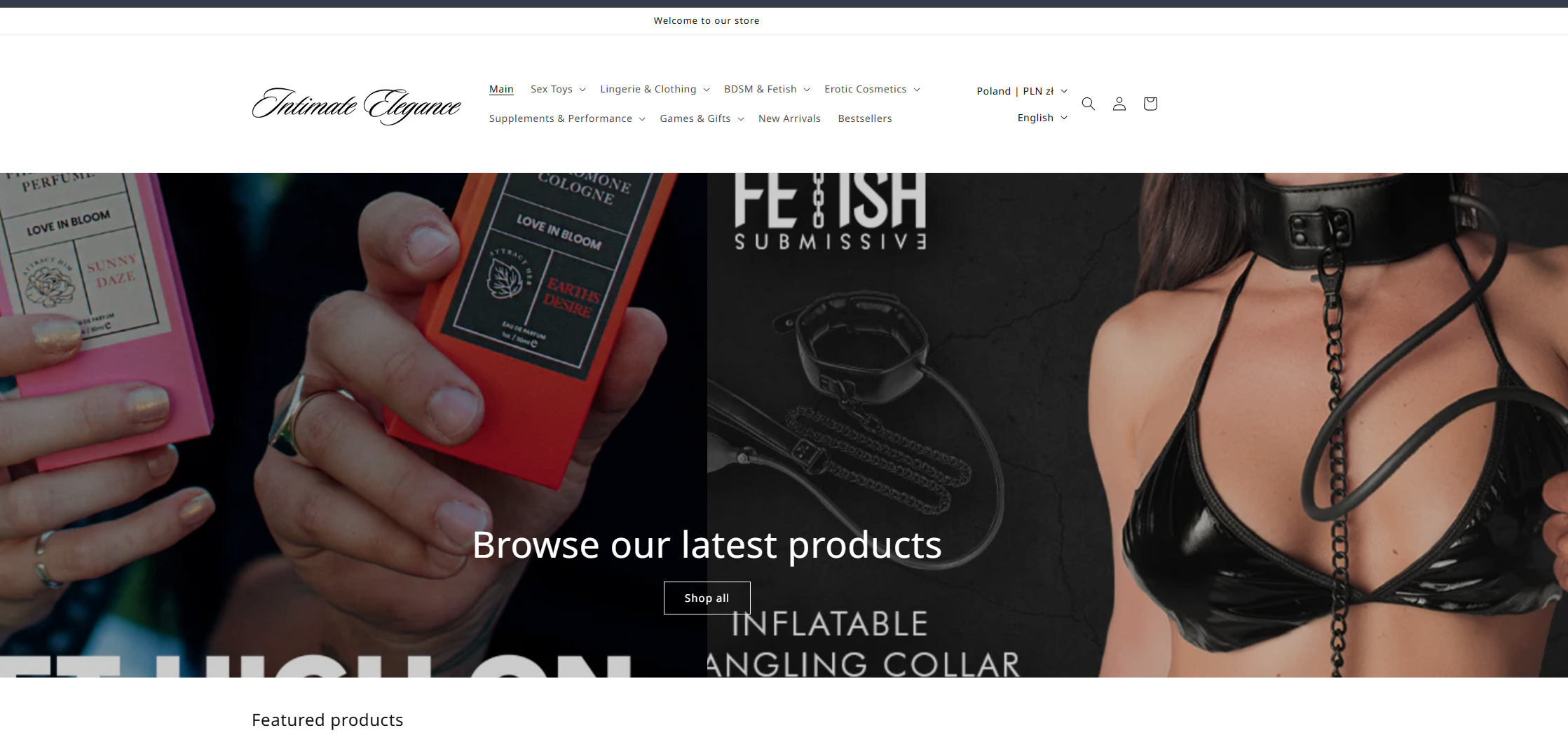
Our collection includes premium silicone vibrators, stimulators, and couples’ devices, all paired with detailed product guidance so you know exactly what you are buying. We also carry body-safe water-based lubricants that are fully compatible with silicone toys, taking the guesswork out of choosing the right lube.
Whether you are making your first considered purchase or upgrading from a material you are no longer comfortable with, our safe selection guide is a good place to start. And if you want to complement your wellness routine with premium intimate accessories, explore our curated collection at Intimate-elegance.
FAQ
What makes silicone safer than other toy materials?
Platinum-cured silicone is non-porous, meaning it cannot harbour bacteria or fungi between uses. It also meets ISO 10993 biocompatibility standards, making it body-safe even for sensitive skin.
Can I use any lubricant with silicone toys?
No. Use only water-based lubricants with silicone toys. Silicone-based lubes chemically interact with the toy surface, causing permanent degradation that compromises both feel and hygiene.
How do I sterilise a silicone toy properly?
Non-motorised silicone toys can be boiled for 3 to 5 minutes, run through a dishwasher without detergent, or soaked in a 10% bleach solution followed by thorough rinsing. Always air dry before storage.
How long does a silicone toy typically last?
With proper care, a quality platinum-cured silicone toy can last several years. Unlike TPE or rubber, silicone resists tearing, surface degradation, and odour absorption under regular use.
Are silicone toys suitable for people with skin sensitivities?
Yes. Medical-grade silicone is hypoallergenic, free from phthalates, latex, and BPA, and has been tested to the same biocompatibility standards used for medical implants and baby products.