

Beginner's guide to vibrators: safe, confident choices
TL;DR:
- A vibrator provides pleasurable stimulation through vibrations and enhances sexual experiences. Beginners should start with simple, body-safe devices like bullet or wand vibrators and prioritize hygiene and safe use. Proper care, material choice, and balanced usage prevent health risks and promote long-term satisfaction.
A vibrator is a device designed to provide pleasurable stimulation through vibration, enhancing both personal and partnered sexual experiences. This beginner’s guide to vibrators covers everything a first-time buyer needs: which types suit new users, how to use them safely, and what genuine health benefits the research supports. Sexual health authorities confirm that masturbation and vibrator use are healthy, normal practices that support wellbeing, stress relief, and body awareness. The priority from the start is quality and safety, not novelty or complexity.
What types of vibrators are best for beginners?
Choosing the right first vibrator comes down to simplicity, size, and material. Four types suit new users particularly well: bullet vibrators, wand vibrators, rabbit vibrators, and wearable vibrators. Each serves a different purpose, and understanding the differences makes the choice much easier.

Bullet vibrators are small, discreet, and straightforward. They deliver focused external stimulation and are the most forgiving option for anyone new to the experience. Wand vibrators are larger and produce deep, rumbly vibrations across a wider area. They are excellent for external use and are often recommended for people exploring what kinds of stimulation they enjoy. Rabbit vibrators combine internal and external stimulation simultaneously, which makes them more complex. They are better suited to beginners who already have some sense of what they enjoy. Wearable vibrators sit against the body hands-free and are popular for partnered use, though their fit varies between bodies.
| Type | Key feature | Best for |
|---|---|---|
| Bullet | Compact, focused | First-time solo use |
| Wand | Broad, powerful | External exploration |
| Rabbit | Dual stimulation | Those ready for more |
| Wearable | Hands-free | Partnered play |
Material safety is non-negotiable. Premium silicone, ABS plastic, and medical-grade materials should be prioritised because they do not shed microplastics and resist bacterial growth. Cheap plastics and jelly rubber can contain harmful chemicals that absorb into skin tissue. A product labelled “body-safe” without a named material is not a reliable claim.
Pro Tip: Start with a single-function bullet vibrator on its lowest setting. You can always increase intensity or upgrade to a more complex design once you know what you enjoy.
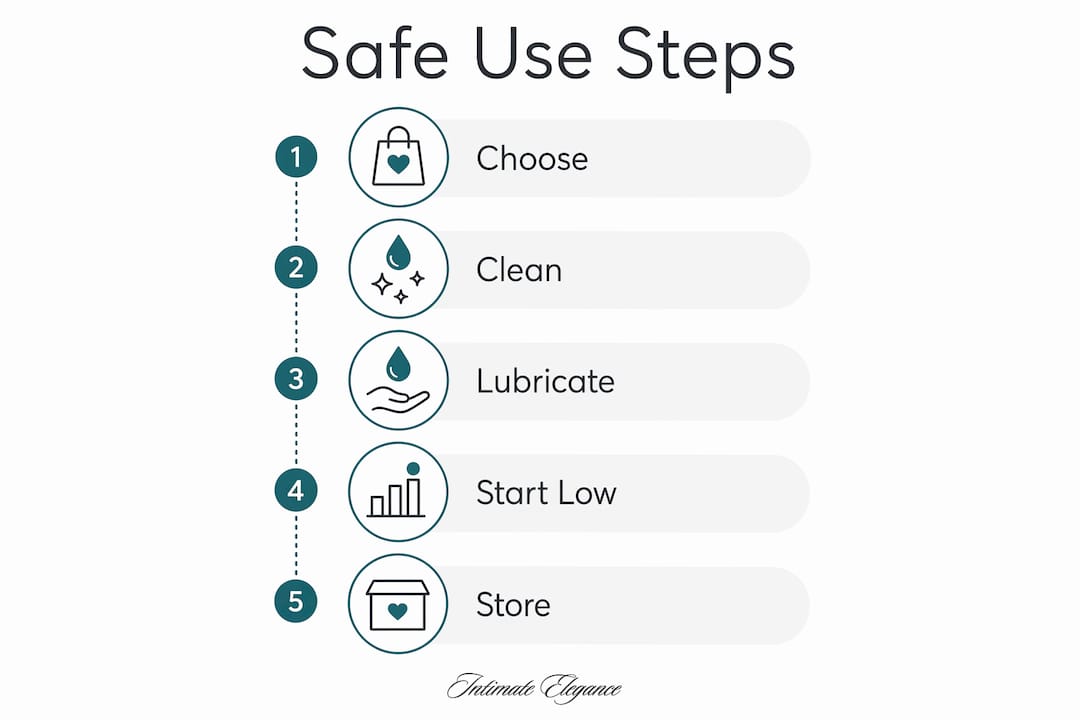
How to use a vibrator safely and effectively
Safe, enjoyable use follows a clear sequence. Rushing any step reduces both comfort and pleasure.
- Set the environment. Choose a private, comfortable space. Warmth and relaxation lower physical tension, which makes stimulation more effective.
- Apply lubricant. Use a water-based lubricant with silicone toys. Oil-based products degrade silicone and certain plastics over time.
- Start on the lowest setting. Begin with the gentlest vibration and increase gradually. The body needs time to respond.
- Use externally first. External stimulation is less intense and gives you a clear sense of what feels good before exploring internally.
- Clean immediately after use. Warm water and mild soap, or a specialised toy cleaner, removes bacteria effectively. Inadequate cleaning leads to hygiene issues and shortens the life of the device.
Hygiene rules matter beyond basic cleaning. Never switch a toy between body areas without cleaning it first, as cross-contamination risks are real and can transfer infections. Using a condom on the toy eliminates this risk entirely when switching is unavoidable.
Do:
- Use water-based lubricant with silicone toys
- Clean before and after every use
- Inspect the surface for cracks or damage before each session
- Store in a clean, dry pouch away from other toys
Don’t:
- Use a damaged toy
- Share toys without a condom or thorough cleaning
- Use oil-based lubricants with silicone devices
- Leave a toy uncharged or with batteries inside for long periods
Vibration stimulates Vater-Pacini corpuscles, the deep pressure receptors in skin, triggering rapid neural signals distinct from emotional touch. Prolonged use at high intensity can cause temporary numbness as these receptors adapt. Taking breaks between sessions restores normal sensitivity.
Pro Tip: A full sex toy cleaning guide covers material-specific methods in detail. Silicone, ABS plastic, and glass each require slightly different care.
What are the benefits and risks of vibrator use?
The benefits of vibrator use are well-supported by sexual health research, and they extend beyond pleasure alone.
Benefits include:
- Stress relief and sleep improvement. Masturbation, including vibrator use, promotes wellbeing and supports better sleep through the release of endorphins and oxytocin.
- Pelvic floor strengthening. Vibration-induced muscle contractions can improve pelvic floor muscle tone, which aids recovery after childbirth and helps with incontinence.
- Therapeutic applications. Sexual health experts highlight vibrators’ therapeutic use under clinical guidance for conditions like vulvodynia and vaginismus. In these contexts, vibrators are used as part of a structured treatment plan, not simply for recreation.
- Body awareness. Regular self-exploration builds a clearer understanding of personal preferences, which improves communication with partners.
The risks are real but manageable with informed choices.
Only 37% of tested sex toys passed safety standards without concerning substances. Some contained harmful chemicals including nonylphenol and excess nickel. Buying from reputable retailers who stock certified products removes this risk almost entirely.
Low-quality devices present the greatest danger. Cheap materials can leach chemicals into sensitive tissue. Poorly cleaned toys carry bacterial and fungal risks. Overuse at high intensity causes temporary desensitisation, as the skin’s pressure receptors adapt to repeated stimulation. This is not permanent, but it does affect sensitivity to manual and partner touch in the short term.
Balanced use alongside manual and partner stimulation preserves sensory responsiveness and keeps intimacy with a partner feeling rewarding. A vibrator is a tool, not a replacement.
How to choose and maintain a high-quality vibrator
Quality indicators are straightforward once you know what to look for. The material is the first filter. Medical-grade silicone, hard ABS plastic, borosilicate glass, and stainless steel are all body-safe. Any product made from jelly rubber, PVC, or unlabelled “rubber” should be avoided. Certifications and quality materials reduce exposure to toxic chemicals and microplastic shedding from poor workmanship.
App-controlled vibrators deserve extra scrutiny. Three tested devices sent usage data to manufacturers, raising genuine privacy concerns. For beginners, a simple device with physical controls is both easier to use and free of data-sharing risks.
Maintenance is straightforward but must be consistent. The table below summarises the key care steps.
| Care step | Why it matters |
|---|---|
| Clean with mild soap and warm water | Removes bacteria and prevents infections |
| Dry fully before storage | Moisture encourages mould and degrades materials |
| Inspect for surface cracks | Damaged surfaces harbour bacteria and can cause injury |
| Store in a fabric pouch | Prevents dust and contact with other materials |
| Avoid oil-based lubricants | Oils degrade silicone and certain plastics |
Proper device care also means checking the battery compartment or charging port for corrosion and replacing the device if the motor weakens noticeably. A well-maintained vibrator lasts years.
Pro Tip: Store silicone toys separately from other silicone items. Two silicone surfaces in contact over time can bond slightly, degrading both.
Key takeaways
Choosing a body-safe vibrator, using it with proper lubrication and hygiene, and balancing it with manual stimulation gives beginners the safest and most satisfying introduction to vibrator use.
| Point | Details |
|---|---|
| Start simple | Bullet vibrators on low settings are the best first choice for new users. |
| Prioritise body-safe materials | Medical-grade silicone and ABS plastic are the safest options; avoid jelly rubber. |
| Clean every time | Warm water and mild soap after every use prevents infections and extends device life. |
| Know the risks | Only 37% of tested toys passed safety standards; buy from reputable, certified retailers. |
| Balance your use | Combining vibrator use with manual and partner stimulation preserves long-term sensitivity. |
What I have learned from years of watching beginners get this wrong
Most beginners make the same two mistakes. They buy cheap, and they skip the cleaning step. The first mistake is understandable. Spending more on something unfamiliar feels like a gamble. But a £15 jelly rubber toy from an unverified seller carries genuine chemical risks that a £40 medical-grade silicone bullet does not. The price gap is small. The safety gap is not.
The second mistake is more surprising. People who are otherwise careful about hygiene treat vibrators differently, as though the rules do not apply. They do. Bacteria and fungi thrive on warm, moist surfaces. A toy used and stored without cleaning is a health risk by the second use.
The thing I find most underappreciated in first-time vibrator guides is the desensitisation question. Vibration works on specific pressure receptors in the skin. Use a high-intensity device daily for two weeks and you will notice that manual stimulation feels less intense. This is not permanent damage. It is simple receptor adaptation. Taking two or three days off resets sensitivity almost completely. The fix is easy, but only if you know the mechanism.
My honest advice to anyone new to this: buy one simple, certified device from a retailer you trust. Learn what you enjoy at low intensity before reaching for anything more complex. And treat cleaning as non-negotiable from day one. The safety basics are not complicated. They just require consistency.
— Bartosz
Beginner-friendly vibrators at Intimate-elegance
Intimate-elegance curates its vibrator range with beginners specifically in mind, stocking only certified, body-safe devices with clear material labelling.

The ToyJoy Amazing Pleasure Sex Toy Kit is a strong starting point, offering a selection of beginner-friendly devices in one package. For those who want a single, adjustable option, the Baile vibrator with adjustable stimulator delivers variable intensity in a straightforward design. All orders ship with discreet, anonymous packaging across the EU. Product pages include full material specifications so you can verify safety before purchasing.
FAQ
What is a vibrator used for?
A vibrator is used to provide pleasurable stimulation through vibration, for both solo and partnered sexual experiences. Sexual health research confirms vibrator use supports stress relief, sleep, and body awareness.
Are vibrators safe for beginners?
Yes, when made from body-safe materials such as medical-grade silicone or ABS plastic and cleaned properly after each use. Avoid products made from jelly rubber or unlabelled materials, as these can contain harmful chemicals.
How do I choose a vibrator as a first-time buyer?
Start with a compact bullet vibrator in a body-safe material with simple controls and multiple intensity settings. Avoid app-connected devices until you are familiar with basic use.
How often should I clean my vibrator?
Clean your vibrator before and after every single use with warm water and mild soap or a dedicated toy cleaner. Allow it to dry fully before storing it in a fabric pouch.
Can vibrators cause desensitisation?
Prolonged high-intensity use can cause temporary numbness as skin pressure receptors adapt to repeated stimulation. Taking breaks of two to three days between sessions restores normal sensitivity.