

Erotic self-care checklist: your 2026 guide
TL;DR:
- An erotic self-care checklist focuses on sensory, somatic, and reflective practices to enhance sensual wellbeing without performance pressure. Consistent micro-habits and a mindset shift toward nervous system regulation help rebuild desire resilience and reduce libido anxiety. Personal tools and intentional space creation support sustainable integration of this mindful intimacy practice into daily life.
An erotic self-care checklist is a curated set of practices designed to nurture your sensual wellbeing safely and intentionally, prioritising presence, consent, and mindful exploration over performance. This is not about frequency or achieving orgasm. It is about nervous system regulation and building genuine desire resilience through consistent, body-aware rituals. Whether you are new to self-love practices or looking to deepen an existing intimate wellness routine, this guide gives you the specific tools, techniques, and mindset shifts to make erotic self-care a sustainable part of your life.
What goes on an erotic self-care checklist?
A well-structured erotic self-care checklist rests on four foundational pillars: sensory environment, somatic resourcing, non-goal-oriented exploration, and reflective practice. Each pillar addresses a different layer of your intimate wellbeing, from the physical space around you to the inner dialogue you carry into every session. Together, they create the conditions for genuine pleasure rather than performed satisfaction.

Sensory environment is the starting point. Environment cues trigger relaxation and the sense of nervous system safety that erotic exploration requires. Soft lighting, a comfortable room temperature, a scent you associate with calm (such as sandalwood or ylang-ylang), and a curated playlist all signal to your body that this time is yours. You do not need an elaborate setup. A single candle and a clean, warm space are enough to begin.
Somatic resourcing means using your body as the instrument of presence. Effective erotic self-care sessions include body scans, paced 4-4-8 breathing (inhale for four counts, hold for four, exhale for eight), and gentle movement to discharge tension before any sensual exploration begins. These techniques are borrowed from trauma-informed somatic therapy and they work precisely because they shift your nervous system from alert to receptive.
Non-goal-oriented exploration is the pillar most people skip and the one that matters most. Rushing towards orgasm detracts from building desire resilience. Adopting a no-goal rule means your session is a success the moment you show up with presence, regardless of what happens next.
Reflective practice closes the loop. Journalling after a session, even briefly, builds what practitioners call erotic literacy. This is your growing understanding of what genuinely nourishes you versus what you think you should want.
Here is a practical starter checklist:
- Dim lighting or candles
- Comfortable temperature (around 20 to 22 degrees Celsius)
- A chosen scent: oil diffuser, candle, or body lotion
- Calming playlist prepared in advance
- 4-4-8 breathing for three to five minutes before beginning
- A body scan from head to toe, noting sensation without judgement
- A personal massager such as the Pulse wand for gentle, non-pressured stimulation
- A water-based lubricant such as Glide for comfort
- A journal or ‘Yes, No, Maybe’ worksheet for post-session reflection
Pro Tip: Schedule your session as a recurring calendar event, weekly or fortnightly, rather than waiting until you feel desire. Consistency over frequency is the single most effective habit for rebuilding libido and body trust.
Daily micro-habits that support your sensual self-care
-
The five-minute morning body scan. Before you reach for your phone, spend five minutes lying still and noticing physical sensation from your feet upward. This is not a sexual practice. It is a presence practice that trains your nervous system to register your body as a safe, interesting place to inhabit.
-
Scent anchoring. Choose one fragrance, a roll-on perfume, a body oil, or a candle, and use it exclusively during your intimate wellness routine. Over time, the scent becomes a conditioned cue that signals your body to shift into a more receptive, open state. This is the same mechanism used in mindfulness-based stress reduction.
-
Paced 4-4-8 breathing. Simple 60 to 90 second rituals paired with conscious breathing improve nervous system regulation measurably. Use this technique before any challenging interaction, not only during self-care sessions, to build a broader sense of embodied authority.
-
Tactile anchoring. Touch a specific object, a ring, a piece of fabric, or a smooth stone, while repeating a grounding phrase such as “I am present and safe.” This micro-habit takes under thirty seconds and creates a portable sensory boundary anchor you can use anywhere.
-
Sensual movement with music. Spend three to five minutes moving freely to a song you love, without choreography or performance. This is not exercise. It is a practice of inhabiting your body with pleasure as the only metric of success. Integrating this into your morning or evening routine costs nothing and builds embodied confidence over time.
-
Evening reflection. Write two sentences in a notebook before sleep: what felt good in your body today, and what you are curious about tomorrow. This keeps erotic self-care present in your daily awareness without requiring a full ritual every day.
Pro Tip: Micro-practices anchored to ordinary moments create stronger sensual presence than saving rituals for rare, elaborate sessions. Start with one habit from this list and add another only once the first feels automatic.
How to overcome libido anxiety and shame with your checklist
The most common barrier to erotic self-care is not lack of time. It is the belief that you should feel desire before you begin. This is a misunderstanding of how responsive desire works. For many adults, desire follows engagement rather than preceding it. Your checklist removes this barrier by making the entry point somatic, not emotional.
Reframing erotic self-care as nervous system regulation, not performance, is the single most useful mindset shift available to you. Learning to self-soothe through sensory and erotic exploration directly improves emotional availability and boundary-setting in relationships. This is not indulgence. It is maintenance.
“Erotic self-care is not about what your body produces. It is about what your body receives.” This reframe, drawn from somatic practice, dissolves the performance narrative that drives most libido anxiety.
Practical tools for working through shame and pressure include:
- The no-goal rule. Decide before your session begins that there is no outcome to achieve. Presence is the only goal.
- Pressure tracking. During and after your session, rate your experience on three measures: Presence (how connected did you feel to your body?), Pressure (how much did you feel you should perform?), and Choice (did you feel free to stop or redirect at any point?). Tracking these subjective metrics removes the focus from libido and orgasm frequency entirely.
- ‘Yes, No, Maybe’ journalling. This tool empowers erotic literacy by helping you distinguish genuine desires from societal expectations. Use it monthly to track how your preferences evolve without judgement.
- Separating aesthetic from embodied exploration. You do not need to look a certain way or feel a certain way before you begin. Your body as it is right now is the correct body for this practice.
Sensory tools and products that enhance your routine
Choosing the right tools removes friction from your intimate wellness routine and makes consistency far easier to maintain. The table below covers the core categories and what to look for in each.
| Tool category | What it does | What to look for |
|---|---|---|
| Personal massager | Provides gentle, versatile stimulation without pressure | Adjustable intensity, body-safe silicone, whisper-quiet motor |
| Massage oil | Enhances touch and aroma simultaneously | Skin-safe ingredients, non-staining, pleasant natural scent |
| Water-based lubricant | Increases physical comfort and reduces friction | Compatible with silicone toys, fragrance-free option available |
| Candles or diffuser | Creates sensory environment cues | Soy or beeswax candles; essential oils such as rose or jasmine |
| Journal or worksheet | Builds erotic literacy and tracks preferences | Blank notebook or a structured ‘Yes, No, Maybe’ format |
Personal massagers like the Pulse wand and lubricants such as Glide provide safe, accessible tools that cover the majority of self-care scenarios effectively. The Pulse wand is particularly well-suited to beginners because its broad, gentle stimulation does not require precision or a specific outcome. You can find a curated selection of sensual stimulators at Intimate-elegance, with detailed guidance on choosing the right product for your needs.
Creating a sensual space does not require expense. A dimmed lamp, a clean set of sheets, a diffuser with lavender or ylang-ylang, and a playlist you have prepared in advance are sufficient. The point is to signal to your nervous system that this time is intentional and safe, not to create a photogenic scene.
Pro Tip: Keep your self-care tools in a dedicated, accessible place rather than stored away. Visibility reduces the activation energy required to begin a session, which directly supports consistency.
How to personalise and maintain your checklist long-term
Sustainable erotic self-care is not built on willpower. It is built on integration. The goal is to weave your intimate wellness routine into the rhythms of your existing life rather than treating it as a separate, special event.
- Audit your energy patterns. Note whether you feel more receptive in the morning, evening, or at weekends. Schedule your sessions to match your natural energy, not an idealised version of yourself.
- Integrate with existing routines. A bath, a skincare ritual, or a slow morning already contain sensory elements. Extending these by ten minutes with intentional body awareness costs nothing and builds the habit without requiring a separate time block.
- Adjust session length honestly. A five-minute body scan counts. A thirty-minute immersive ritual counts. Neither is superior. Performance-based self-care leads to burnout; sustainable practice is anchored in everyday moments rather than special occasions.
- Review your ‘Yes, No, Maybe’ list monthly. Preferences shift. What felt right three months ago may feel different now. Regular review keeps your practice honest and genuinely nourishing rather than habitual.
- Remove guilt from the equation. Missed sessions are not failures. They are data. If you consistently skip your scheduled time, the session design needs adjusting, not your character. Explore sexual wellbeing resources to understand why consistency matters and how to rebuild it gently.
What I have learned from building an erotic self-care practice
The most surprising thing I discovered when I began taking erotic self-care seriously was how much resistance I had to doing nothing in particular. Every instinct pushed me towards a goal, an outcome, a reason to justify the time. Dropping that expectation was genuinely difficult and genuinely transformative.
What I see consistently, both in my own experience and in the feedback from people who have tried structured approaches like the 14-day libido reset, is that the emotional breakthroughs do not come from the elaborate sessions. They come from the Tuesday evening body scan, the scent anchor before a difficult conversation, the two sentences written in a notebook before sleep. Ordinary moments, repeated with intention, build something that no single grand ritual can.
The other thing worth saying plainly: shame does not dissolve through willpower. It dissolves through repetition of safe, non-judgemental experience. Every time you complete a session without a goal and without criticism of yourself, you are rewriting a small piece of the story your nervous system tells about your body. That is slow work. It is also the only work that lasts.
Honour your pace. Your checklist is not a performance review. It is a conversation with yourself, and like all good conversations, it gets richer the longer you stay in it.
— Bartosz
Discover premium intimate wellness products at Intimate-elegance
Intimate-elegance curates a carefully selected range of products designed to support every item on your erotic self-care checklist, from personal massagers and massage oils to water-based lubricants and sensory accessories.
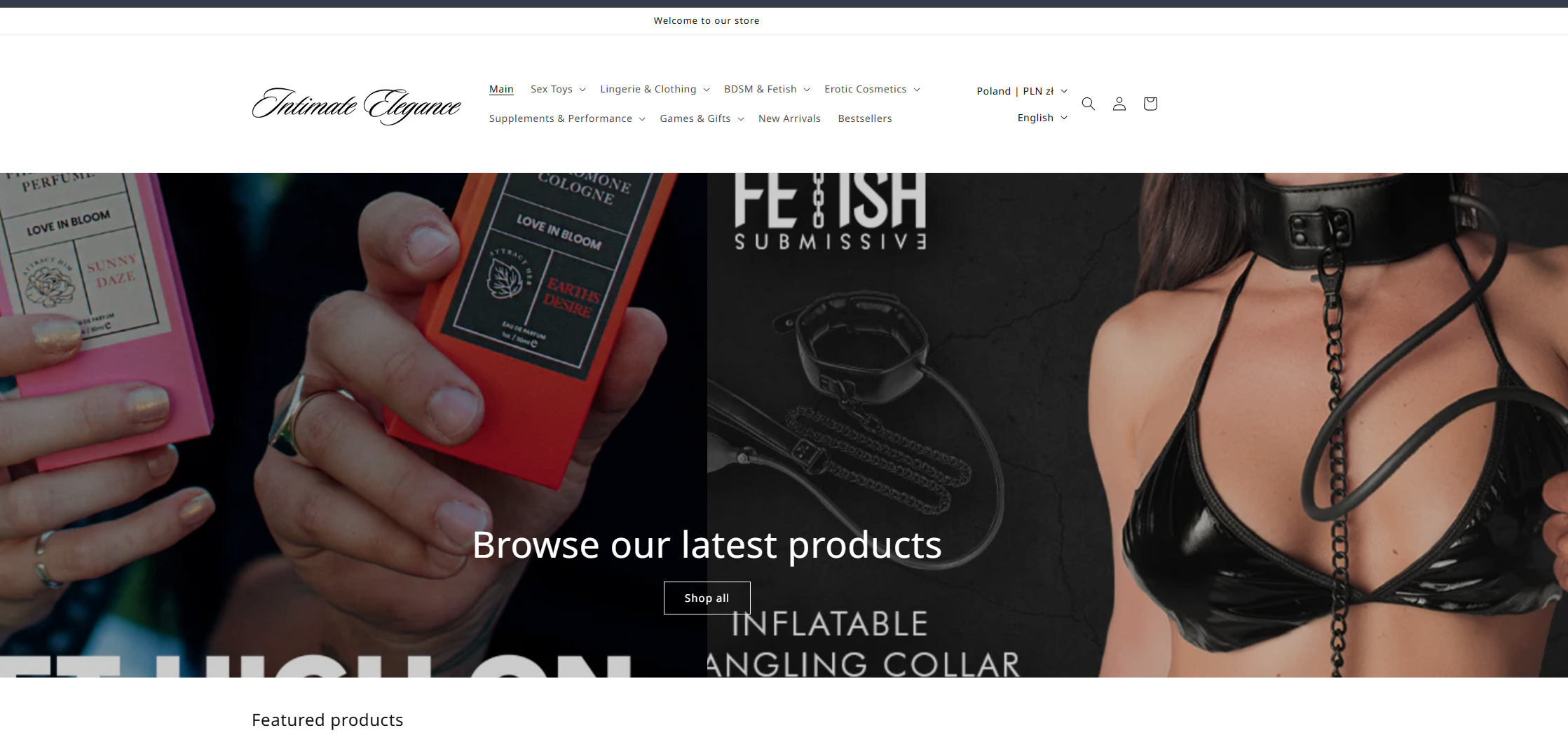
Whether you are building your first intimate wellness routine or refining an existing one, the Intimate-elegance collection offers quality, discretion, and EU-wide anonymous shipping. The blog also provides expert guidance on enhancing pleasure and choosing the right tools for your unique needs. Browse the full range at Intimate-elegance and find the products that make your self-care practice feel genuinely luxurious.
FAQ
What is an erotic self-care checklist?
An erotic self-care checklist is a structured set of sensory, somatic, and reflective practices designed to nurture your intimate wellbeing through presence and mindful exploration. It prioritises nervous system regulation and body awareness over performance or orgasm.
How often should I practise erotic self-care?
Weekly or fortnightly consistency is more effective than daily pressure. Structured programmes recommend self-determined frequency rather than a fixed schedule, with the emphasis on showing up regularly rather than often.
Can erotic self-care help with low libido?
Yes. Reframing erotic self-care as nervous system regulation rather than a performance reduces libido anxiety directly. Tracking presence, pressure, and choice during sessions shifts focus away from outcomes and rebuilds body trust over time.
Do I need special products to start?
No. A candle, a journal, and five minutes of intentional breathing are sufficient to begin. Personal massagers and lubricants such as the Pulse wand and Glide add comfort and versatility but are not prerequisites for an effective practice.
Is erotic self-care only for women?
No. Erotic self-care is a nervous system and intimacy practice relevant to all adults regardless of gender. The tools, techniques, and mindset shifts described here apply universally, though individual preferences will naturally vary.
Key takeaways
An erotic self-care checklist works because it replaces performance pressure with consistent, somatic presence, building desire resilience through repetition rather than intensity.
| Point | Details |
|---|---|
| Presence over performance | The no-goal rule is the single most effective tool for dissolving libido anxiety and shame. |
| Consistency beats frequency | Weekly or fortnightly sessions outperform daily pressure in building lasting body trust. |
| Micro-habits compound | Five-minute daily rituals such as body scans and scent anchoring build embodied presence more reliably than rare elaborate sessions. |
| Tools reduce friction | Keeping massagers, lubricants, and journals accessible lowers the activation energy needed to begin a session. |
| Reflection deepens practice | Monthly ‘Yes, No, Maybe’ journalling keeps your checklist honest, evolving, and genuinely nourishing. |
Recommended
- Ways to boost sexual wellness: your 2026 guide – Intimate Elegance
- Intimate self-care: Enhance pleasure and wellness holistically – Intimate Elegance
- What is erotic wellness? A guide to intimate well-being – Intimate Elegance
- Your ultimate intimate wellness checklist: health and privacy – Intimate Elegance