

The role of exclusivity in adult retail: a buyer's guide
TL;DR:
- Exclusivity in adult retail boosts perceived value through scarcity and curated experiences.
- Effective strategies balance exclusivity with warmth to foster loyalty and prevent alienation.
Exclusivity in adult retail is defined as the deliberate restriction of access, quantity, or visibility to increase a product’s perceived value and desirability. The role of exclusivity in adult retail goes far beyond limited editions and velvet-rope marketing. It shapes how buyers perceive quality, how brands build loyalty, and how retailers convert curious first-timers into committed customers. The adult wellness sector is growing rapidly, with premium device sales rising by 12–15% annually in markets like France. That growth is not accidental. It is driven, in large part, by brands that understand scarcity, curation, and the psychology of desire.
How does exclusivity in adult retail shape buying decisions?
Scarcity messaging is one of the most studied tools in consumer psychology, and its effects in adult retail are measurable. Scarcity-based framing increases purchase intentions by enhancing perceived aesthetic appeal, particularly among consumers with a high-status orientation. That means buyers who associate their purchases with identity and social signalling respond more strongly to “limited run” or “members only” language than to standard promotional copy.
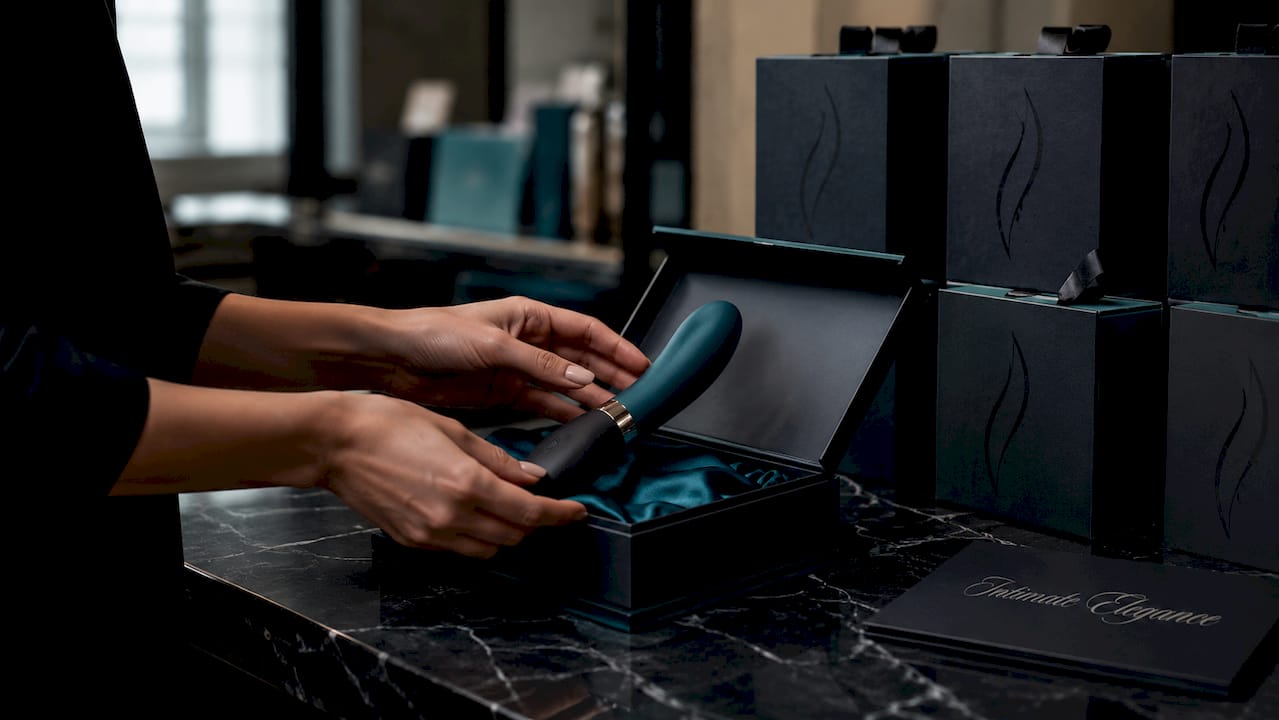
The mechanism works like this: when a product feels rare, the brain assigns it greater worth. This is not a trick. It reflects a genuine cognitive shortcut that humans use to judge quality under uncertainty. In adult retail, where buyers often feel vulnerable or uncertain, that shortcut carries extra weight.
Not every shopper responds the same way, though. Low-status-oriented consumers can react negatively to exclusivity cues, feeling excluded rather than enticed. This creates a real tension for adult retailers: lean too hard into luxury signalling and you risk alienating a significant portion of your audience.
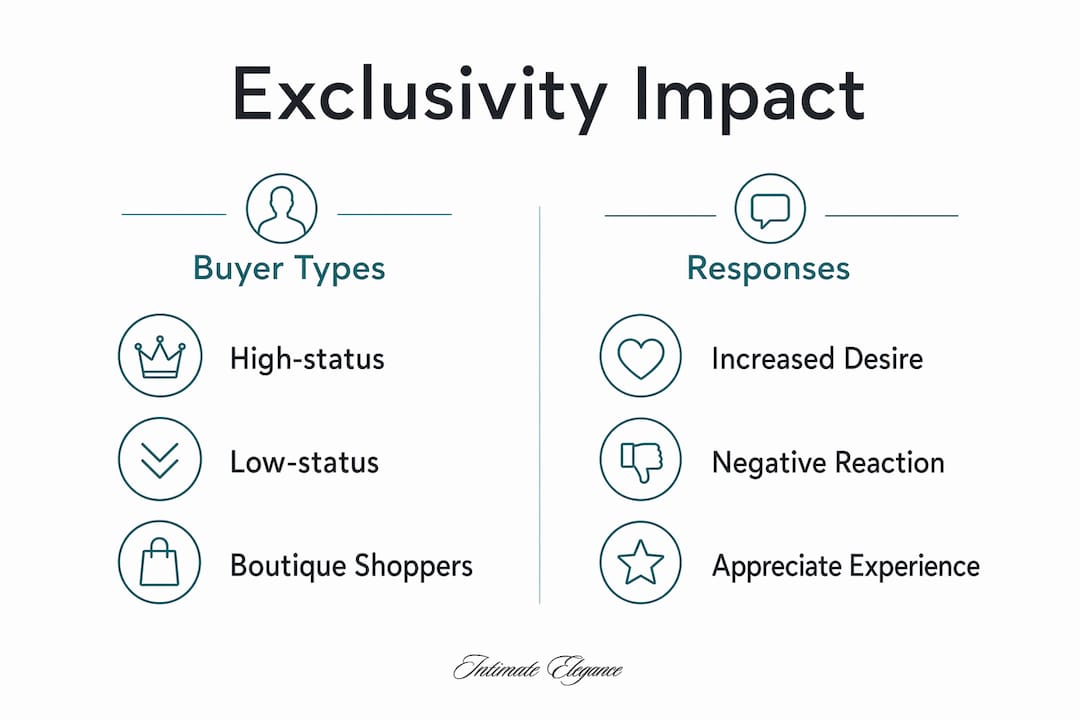
The most effective adult retail marketing strategies thread this needle by layering exclusivity with warmth and accessibility in the brand voice. The product feels rare; the brand feels welcoming.
Key signals that trigger exclusivity perception in adult buyers:
- Limited-quantity labels on product pages (“Only 12 remaining”)
- Members-only early access to new collections
- Curated gift sets presented as seasonal or one-off releases
- Discreet, premium packaging that signals care and quality
- Waitlist mechanics that build anticipation before a launch
Pro Tip: When writing exclusivity copy for adult products, address the high-status consumer directly without making others feel unwelcome. Phrases like “crafted for those who value quality” include without excluding.
What is ‘good friction’ and why does it sell more?
“Good friction” is the deliberate addition of small barriers to purchase that signal authenticity and quality. The concept comes from luxury retail, but its application in adult retail is particularly powerful. Brands using application-only access and curated waitlists consistently outperform frictionless rivals by reinforcing desirability. The harder something is to obtain, the more the brain decides it must be worth obtaining.
Bad friction, by contrast, is accidental. It is a confusing checkout, a slow-loading page, or an unclear returns policy. Good friction is intentional. It is a membership application, a product that requires a short quiz before purchase, or a collection that only opens twice a year.
“Deliberate buying barriers, when designed thoughtfully, do not deter customers. They filter for the right customers and increase the perceived value of what those customers receive. The result is higher conversion value and stronger loyalty than any discount campaign can produce.”
Adult retailers can apply good friction through four practical approaches:
- Application-based access. Require buyers to join a private list before purchasing a new collection. This creates anticipation and signals that the product is not for everyone.
- Curated waitlists. A waitlist for a restocked item tells the buyer that others want it too. Supply-based scarcity drives stronger purchase intentions than demand-based scarcity, so controlled stock is more persuasive than “bestseller” badges.
- Tiered membership programmes. Offer early access, exclusive bundles, or private content to members who meet a spending threshold. This rewards loyalty and creates a community with a shared identity.
- Boutique-style curation. Limit the catalogue deliberately. Curated product selections replace overwhelming assortments with emotional connection, particularly for first-time buyers who feel uncertain about where to start.
The boutique model is especially relevant for female shoppers, who represent 55–65% of premium device buyers in markets like France. These customers respond strongly to environments that feel considered, safe, and community-oriented rather than transactional.
Balancing exclusivity with inclusivity in adult retail
The consumer perception of exclusivity is shifting. Younger adult buyers, particularly those in their late twenties and thirties, want to feel part of something, not locked out of it. The adult retail sector is responding by moving away from elitist exclusivity models and towards what might be called “inclusive exclusivity”: a curated, community-driven experience that feels special without feeling inaccessible.
Boutique-style adult retailers are leading this shift. They use inclusive language, host community events, and build spaces where conversations about intimacy feel normal rather than taboo. The product selection is still curated and still signals quality. But the tone is warm, educational, and empowering rather than aspirational in a cold, luxury-brand sense.
The adult product market trends in 2026 reflect this dual demand clearly. Buyers want premium quality and they want to feel seen.
What inclusive exclusivity looks like in practice:
- Small, thoughtfully chosen catalogues that reduce decision fatigue
- Educational content that normalises product use and builds confidence
- Community events, both online and in-person, that create belonging
- Collaborations with female-led and body-positive brands
- Language that centres pleasure, wellness, and self-care rather than performance
| Exclusivity model | Consumer response | Best suited to |
|---|---|---|
| Elitist luxury | High desire, low accessibility | High-status-oriented buyers |
| Inclusive boutique | High trust, strong loyalty | First-time and repeat buyers |
| Scarcity-led drops | Urgency and FOMO | Engaged existing customers |
| Community membership | Identity and belonging | Younger adult consumers |
The table above shows that no single model dominates. The strongest adult retail brands combine elements from each column, shifting emphasis depending on the product, the channel, and the moment in the customer’s buying cycle.
How do online channels use exclusivity to attract new buyers?
Online channels capture 60–70% of first-time adult product buyers, largely driven by influencer and social media content. That figure matters because it tells you where exclusivity messaging needs to land hardest. A buyer discovering a brand for the first time through an influencer post is already primed for desire. The job of the retailer is to convert that desire into a purchase before the moment passes.
Exclusivity in adult products works differently across the buying cycle. Device buyers purchase every 2–4 years, which means the exclusivity pitch must be strong enough to justify a considered, high-value decision. Essentials like lubricants and condoms have a 1–3 month repurchase cycle, where exclusivity messaging focuses more on brand loyalty and subscription perks than on scarcity.
Digital exclusivity tactics that convert:
- Influencer-led “early access” codes that expire within 48 hours
- Social media drops announced with countdown timers
- Email-only previews of new collections before public launch
- Private online communities for buyers of premium product tiers
- Discreet, branded unboxing experiences that buyers want to share
The benefits of buying adult products online extend beyond convenience. Privacy, anonymity, and the ability to research without pressure make online the natural home for exclusive adult retail. A buyer who feels safe is a buyer who spends more.
Pro Tip: For online exclusivity campaigns, pair scarcity language with reassurance copy. “Only 8 left, with discreet EU-wide shipping” addresses both desire and the practical concerns that hold first-time buyers back.
Key takeaways
Exclusivity drives adult retail sales by combining scarcity psychology, curated experiences, and community belonging to increase perceived value and buyer loyalty.
| Point | Details |
|---|---|
| Scarcity increases desire | Scarcity-based messaging raises purchase intentions, especially among status-oriented buyers. |
| Good friction builds value | Deliberate barriers like waitlists and application access signal quality and boost conversion. |
| Inclusivity strengthens loyalty | Boutique models with curated selections and community events outperform elitist approaches. |
| Online channels dominate discovery | 60–70% of first-time buyers arrive via social media, making digital exclusivity critical. |
| Purchase cycles shape strategy | Device buyers need strong exclusivity pitches; essentials buyers respond better to loyalty perks. |
Exclusivity without alienation: a personal view
I have watched the adult retail sector wrestle with exclusivity for years, and the brands that get it wrong make the same mistake every time. They confuse exclusivity with elitism. They build walls when they should be building rooms with a guest list.
The most interesting shift I have seen recently is the move towards what I would call “earned intimacy.” Brands are not just selling a product. They are inviting buyers into a relationship. The exclusivity is real, but it is expressed through curation, education, and community rather than through price barriers or cold luxury aesthetics. That approach works because it respects the buyer’s intelligence and their emotional investment in the purchase.
The adult wellness category is personal in a way that most retail categories are not. A buyer choosing a pleasure device for a couple is making a decision that touches identity, trust, and vulnerability. Exclusivity, when it is done well, honours that. It says: this product was made with care, for people who care. That message lands far more powerfully than any countdown timer.
The future of exclusivity in adult retail belongs to brands that can hold both truths at once: rare enough to feel special, open enough to feel safe.
— Bartosz
Premium exclusive products at Intimate-elegance
Intimate-elegance curates its collection with exactly this philosophy in mind. Every product is selected for quality, discretion, and the kind of considered design that justifies a deliberate purchase.
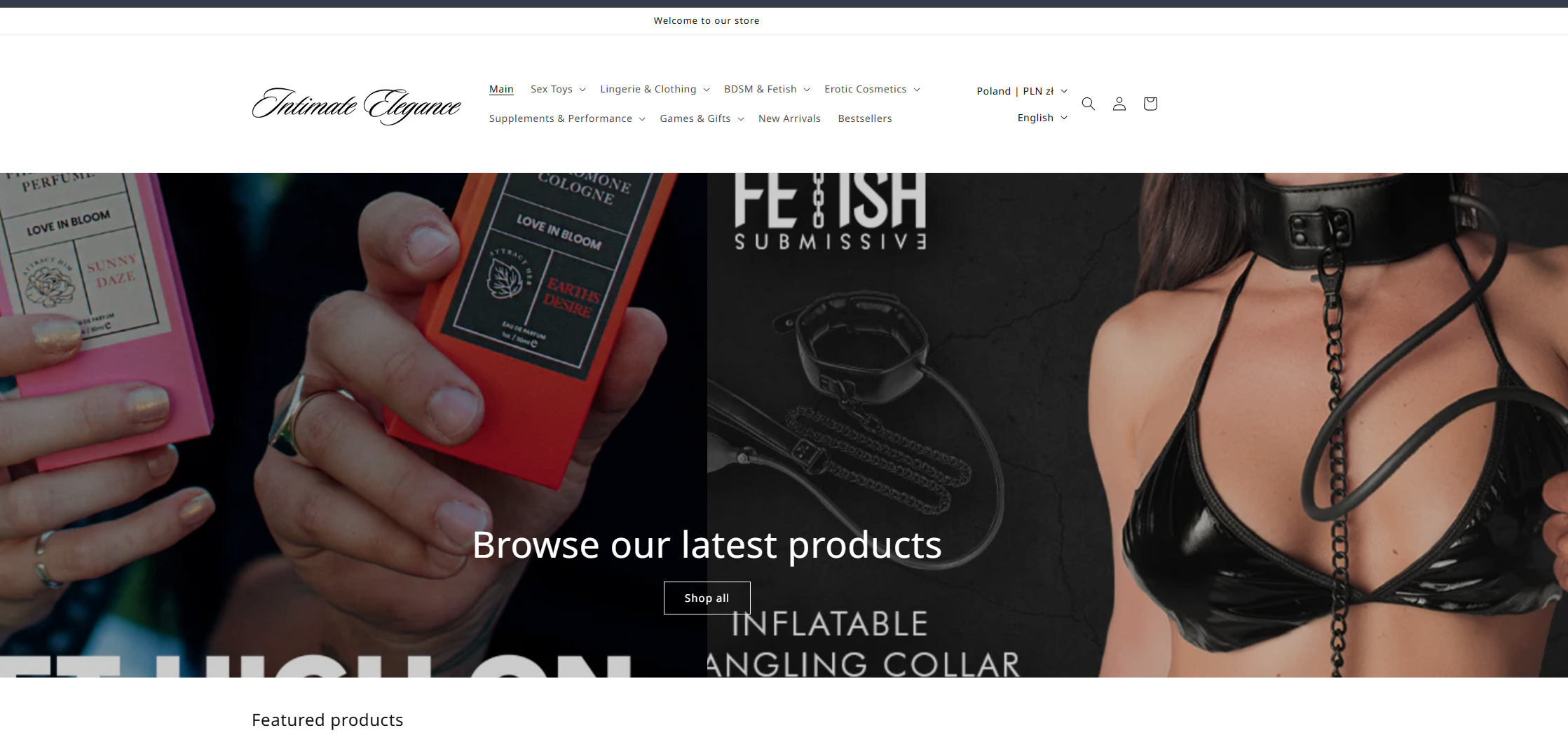
The TOYJOY Amazing Pleasure Sex Toy Kit is a strong example of inclusive exclusivity done right: a premium, thoughtfully assembled kit that feels like a genuine treat rather than a generic bundle. For couples seeking something with a shared focus, the TOYJOY Just for You Super Sex Bomb Box delivers that same sense of occasion. Both ship anonymously across the EU, with secure transactions and no compromise on privacy.
FAQ
What is the role of exclusivity in adult retail?
Exclusivity in adult retail increases perceived product value by signalling quality, scarcity, and desirability. It shapes consumer purchasing decisions by triggering psychological responses tied to status, identity, and the fear of missing out.
Does scarcity messaging always increase sales in adult products?
Scarcity-based messaging raises purchase intentions among high-status-oriented consumers, but can deter buyers who feel excluded by elitist cues. The most effective approach pairs scarcity language with inclusive, reassuring brand tone.
What is ‘good friction’ in adult retail?
Good friction refers to deliberate purchase barriers, such as waitlists or application-only access, that signal authenticity and quality. These techniques increase conversion value and customer loyalty by making the product feel worth the effort.
How do online channels support exclusivity strategies?
Online channels capture 60–70% of first-time adult product buyers, making them the primary arena for exclusivity messaging. Influencer content, countdown drops, and email-only previews are the most effective digital tactics.
How does exclusivity differ for devices versus consumables?
Device buyers purchase every 2–4 years and respond to strong exclusivity and quality signals. Consumable buyers repurchase every 1–3 months and respond better to loyalty perks and subscription-based exclusivity.