

The role of aesthetics in adult products: 2026 guide
TL;DR:
- Aesthetics in adult products are crucial for enhancing emotional satisfaction, intimacy, and market success. Well-designed, beautiful products trigger neurochemical responses, increase satisfaction, and reduce psychological barriers to use. The shift toward anatomy-focused, minimalist designs improves effectiveness, desirability, and integration into daily self-care routines.
Aesthetics in adult products is defined as the deliberate integration of visual beauty, material quality, and sensory design to enhance emotional satisfaction and intimate wellbeing. The role of aesthetics in adult products extends far beyond surface appearance. When a product looks beautiful, feels luxurious in the hand, and operates intuitively, it triggers genuine neurological responses that deepen pleasure and reduce psychological barriers to intimacy. The adult wellness market has recognised this shift. Premium aesthetic devices now outsell clinical-looking products by 3–5x in premium segments and command 200–400% higher profit margins. That figure signals a fundamental change in what consumers expect from intimate products.
How does aesthetic design affect pleasure and emotional response?
The science behind this is called neuroaesthetics. It is the study of how the brain responds to beauty, and its findings apply directly to adult product aesthetics. Engaging with a beautifully designed object releases dopamine, serotonin, and oxytocin, the neurotransmitters most closely linked to mood, bonding, and pleasure. This is not a minor effect. These are the same chemical pathways activated during physical intimacy itself.
Multi-sensory design amplifies this response considerably. A product that combines smooth thermal-reactive silicone, a whisper-quiet motor, and a visually elegant form creates layered feedback across touch, sound, and sight simultaneously. A Kinsey Institute study found that 73% of participants reported higher post-use satisfaction with products incorporating multi-modal aesthetic and sensory elements compared to those offering vibration alone. That result confirms what neuroaesthetics predicts: beauty is not decorative, it is functional.
The emotional impact goes deeper still. Products that feel considered and beautiful reduce the psychological friction that many adults associate with intimate devices. Shame, awkwardness, and self-consciousness all diminish when the object itself communicates quality and intention. As Psychology Today notes, beauty is a civilizational necessity linked to emotional wellbeing, not mere frivolity. Applied to intimate products, that principle means good design is genuinely therapeutic.
“Aesthetic success integrates anatomy-first design with cognitive ergonomics to create harmonious sensory experiences that reduce fatigue and deepen satisfaction.”
Key sensory dimensions that well-designed products address:
- Visual: Organic shapes, neutral palettes, and jewellery-inspired forms that signal quality at a glance
- Tactile: Body-safe silicone, weighted materials, and surface textures that reward touch
- Auditory: Ultra-quiet motors that preserve intimacy and remove performance anxiety
- Thermal: Materials that warm to body temperature, adding a layer of sensory realism
Why has adult product design shifted towards anatomy-first aesthetics?
The old design paradigm for adult products was shaped by assumptions rather than anatomy. Historical products were dominated by phallic forms that failed the majority of users. Research shows that 70% of women require clitoral stimulation for orgasm, yet product design for decades ignored this entirely. The result was a market full of devices that looked provocative but underdelivered on actual pleasure.
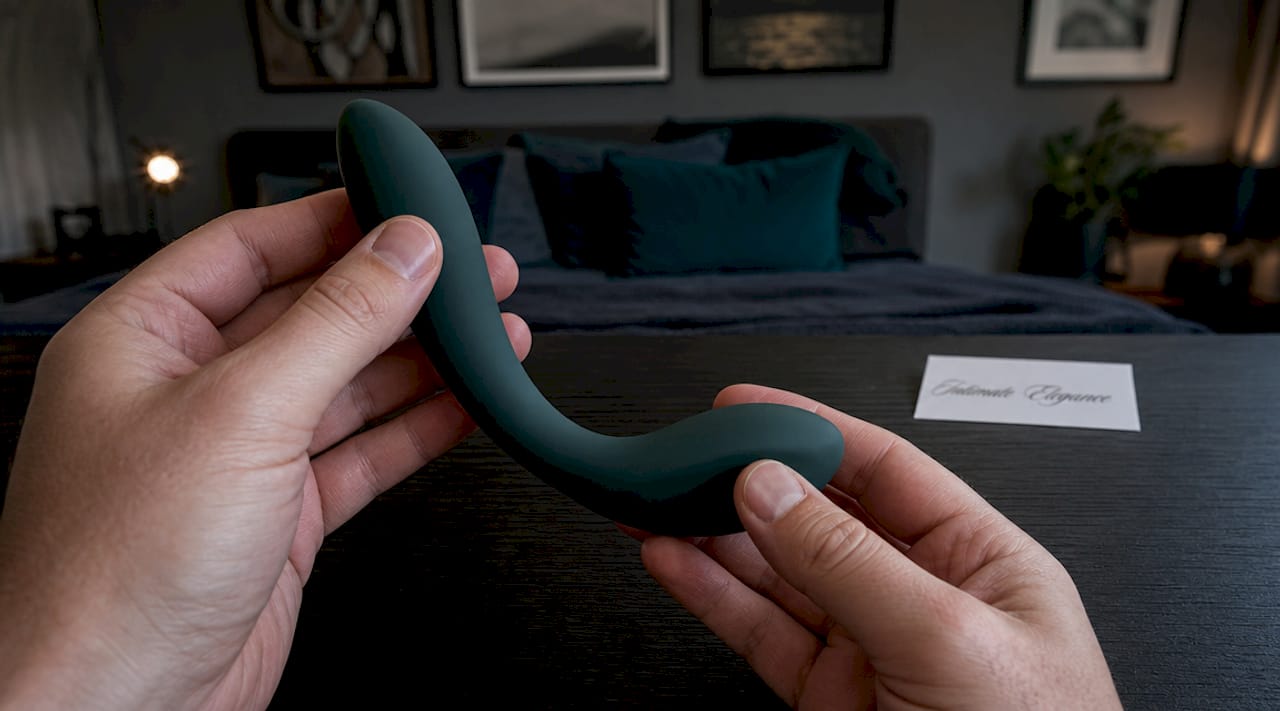
The shift towards anatomy-first design corrects this. Modern products are shaped around how bodies actually work, not around visual signalling. This has produced a generation of devices that are simultaneously more effective and more aesthetically refined. The two qualities reinforce each other: a form that follows function tends to be cleaner, more organic, and more visually appealing than one designed for shock value.
Sensual minimalism is the dominant aesthetic trend driving this change. Jewellery-inspired devices, abstract sculptural forms, and neutral colour palettes have replaced garish packaging and hyper-sexualised imagery. End-user driven design is the engine behind this progress. When women and queer consumers lead the design process, the results prioritise sensory richness and anatomical accuracy over novelty.
Ergonomic principles have become central to this evolution. The best products today are engineered around four key physical considerations:
- Thumb-sweep control: All primary functions accessible without repositioning the hand, reducing distraction and anxiety
- Dedicated off buttons: A single, clearly located button to stop the device immediately, addressing a common source of user frustration
- Grip geometry: Contoured forms that sit naturally in the hand and against the body without requiring conscious adjustment
- Intuitive interface hierarchy: Controls arranged so the most-used functions are the most accessible, reducing cognitive load during use
Pro Tip: When evaluating a new product, hold it in your dominant hand and test every control without looking. If you need to reposition your grip or look at the device to find a button, the ergonomic design has not succeeded.
The importance of ergonomics in adult products extends to accessibility. Devices designed with cognitive ergonomics in mind serve users with limited dexterity, arthritis, or sensory sensitivities far better than products designed purely for visual impact.
Aesthetic products vs clinical designs: what does the market show?
The commercial evidence for the importance of aesthetics is unambiguous. The table below summarises the key differences between aesthetic-focused and clinical or novelty adult products across the dimensions that matter most to consumers and retailers.
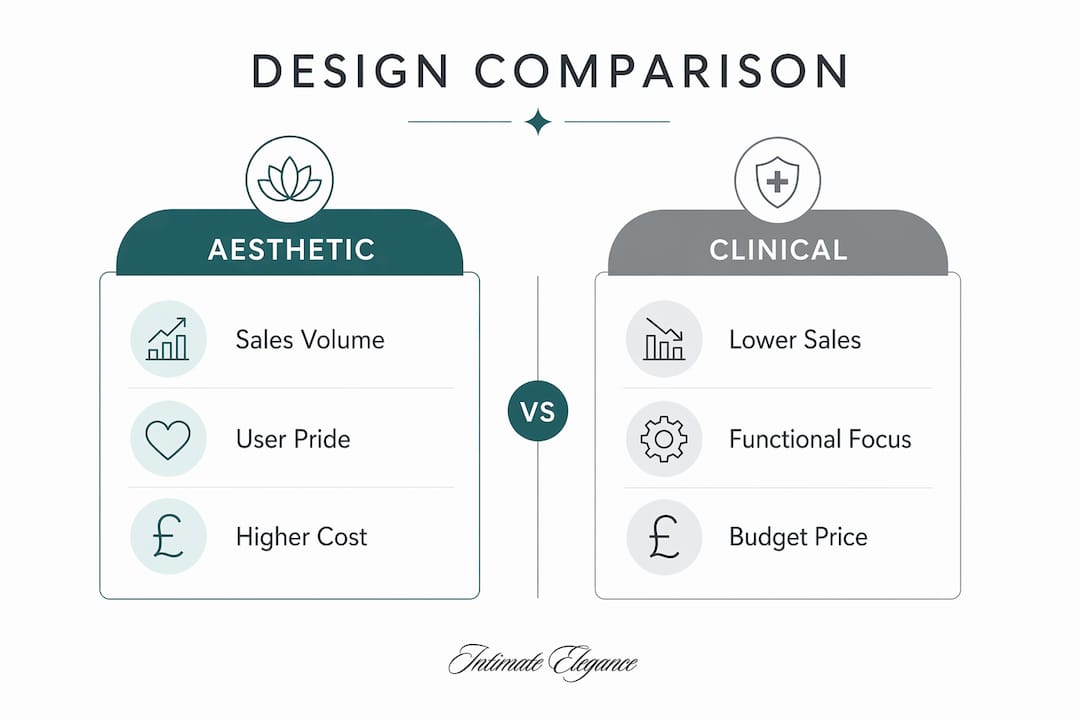
| Dimension | Aesthetic-Focused Products | Clinical or Novelty Products |
|---|---|---|
| Sales volume (premium segment) | 3–5x higher | Baseline |
| Profit margin | 200–400% above baseline | Standard retail margin |
| Ownership pride | High; products displayed openly | Low; typically hidden away |
| Stigma reduction | Significant; framed as wellness tools | Minimal; associated with taboo |
| Repeat purchase rate | Higher due to satisfaction and trust | Lower; often single-use curiosity |
| Integration into self-care routines | Natural; matches lifestyle aesthetics | Difficult; clashes with home environment |
Neutral palettes and abstract shapes transform adult products into displayable lifestyle objects. This is not a trivial point. When a product can sit on a bathroom shelf alongside skincare and candles without looking out of place, it becomes part of a daily self-care ritual rather than a hidden indulgence. That shift in positioning changes the entire relationship between user and product.
Ownership pride is a genuine psychological driver of repeat use. A product you feel good about owning is a product you reach for more often. The adult product market trends for 2026 confirm this: the fastest-growing segment is premium wellness devices that consumers describe as beautiful objects first and pleasure tools second. That framing destigmatises purchase and use, which matters enormously for first-time buyers and those returning to intimate wellness after a period of avoidance.
How to choose adult products that enhance intimacy through design
Choosing well means knowing what to look for before you buy. The visual appeal of toys is the first filter, but it should not be the only one. A product can look beautiful in a photograph and feel cheap or awkward in use. These are the design qualities that separate genuinely excellent products from attractive ones that disappoint.
- Material quality: Medical-grade silicone, ABS plastic, and anodised aluminium are the gold standard. They are body-safe, non-porous, and durable. Avoid products that do not specify materials clearly.
- Motor engineering: Ultra-quiet motors with balanced internal components indicate premium construction. A noisy, vibrating motor is a sign of poor internal design regardless of how the exterior looks.
- Control logic: Capacitive touch controls and clearly labelled buttons reduce the mental effort required during use. Overcomplicated interfaces with multiple simultaneous button presses are a design failure.
- Charging and maintenance: Magnetic charging ports and seamless surfaces with no seams or crevices are easier to clean and more hygienic. They also signal that the manufacturer has thought about the full product lifecycle.
- Packaging and presentation: Premium products arrive in considered packaging. This is not vanity. It signals that the manufacturer respects the buyer and has invested in the full experience.
Pro Tip: Read the control instructions before you buy, not after. If a product requires a diagram to explain basic operation, the interface design has failed. The best products are self-explanatory within thirty seconds of handling.
Signs of poor aesthetic design are equally worth knowing. Hyper-sexualised marketing that focuses on shock rather than sensation, overcomplicated controls with no logical hierarchy, and materials listed vaguely as “body-safe” without specification are all red flags. Quality materials and thoughtful design are inseparable from genuine pleasure enhancement.
Key takeaways
Aesthetic design in adult products is not cosmetic. It is the primary driver of emotional satisfaction, repeat use, and intimacy integration.
| Point | Details |
|---|---|
| Neuroaesthetics drives pleasure | Beautiful products release dopamine and oxytocin, directly enhancing emotional and physical satisfaction. |
| Anatomy-first design serves users better | 70% of women need clitoral stimulation; products shaped around real anatomy outperform phallic novelties. |
| Aesthetic products command premium value | Aesthetic-focused devices outsell clinical products by 3–5x and generate 200–400% higher profit margins. |
| Ergonomics and aesthetics are inseparable | Thumb-sweep controls, quiet motors, and intuitive interfaces are as important as visual beauty. |
| Displayability changes the relationship | Products that integrate into self-care routines are used more often and reduce stigma around intimate wellness. |
Why design is the most underrated factor in intimate wellness
I have spent years watching the adult wellness market evolve, and the single most consistent mistake I see buyers make is treating aesthetics as a luxury rather than a baseline requirement. People will spend considerable thought choosing a skincare product based on texture, scent, and packaging, then buy an intimate device based purely on a feature list. The result is a product that works technically but feels wrong in every other sense.
The research backs this up, but honestly, you do not need a study to understand it. You know the difference between using a beautiful object and using a functional one. The beautiful object changes your mood before you even begin. That psychological priming is not trivial in an intimate context. It is often the difference between an experience that feels special and one that feels mechanical.
What I find genuinely exciting about the current moment in thoughtful intimate design is that the best products are now designed by people who actually use them. That shift has produced devices that are more anatomically accurate, more ergonomically considered, and more visually refined than anything the market offered a decade ago. The destigmatisation that follows from beautiful, displayable products is a real cultural shift. When an intimate device looks like a sculpture, it stops being something to hide and starts being something to own with confidence.
My honest recommendation: treat the design of an intimate product with the same seriousness you would give any other object you bring into your personal space. The quality of the experience depends on it.
— Bartosz
Discover intimate-elegance’s curated wellness collection
Intimate-elegance was built around a single conviction: that intimate products should be as beautiful as they are effective. Every item in the collection is selected for its design quality, material integrity, and sensory performance.
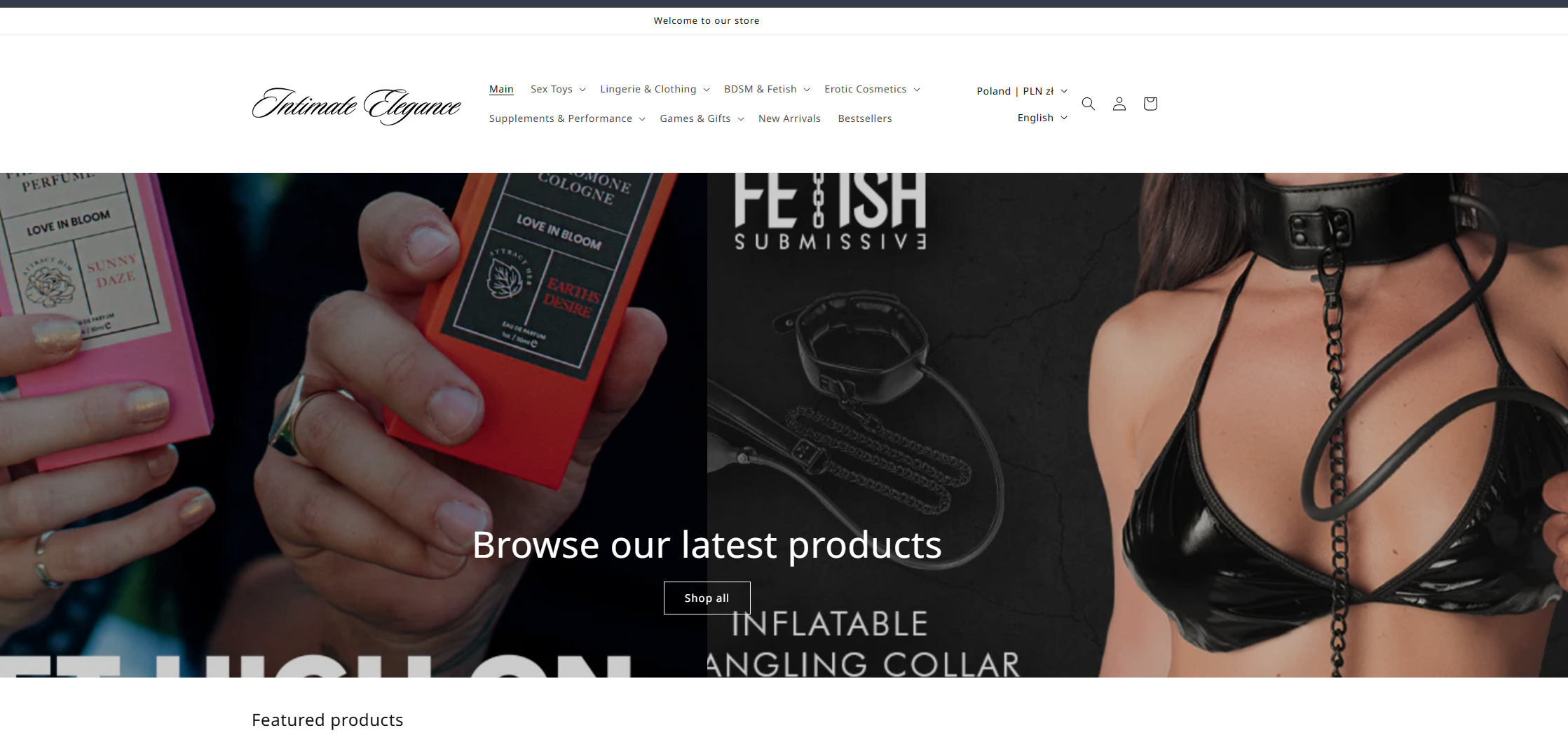
The Intimate-elegance collection brings together vibrators, stimulators, and couples’ accessories that reflect the anatomy-first, minimalist design principles explored in this article. Products are chosen for ergonomic excellence, premium materials, and the kind of considered aesthetics that make them a natural part of your self-care routine. Discreet EU-wide shipping and secure transactions mean the experience is as private as it is pleasurable. Browse the full range and find products that genuinely reflect your standard.
FAQ
What is the role of aesthetics in adult products?
Aesthetics in adult products determines how a product makes you feel before, during, and after use. Beautiful, well-designed products trigger dopamine and oxytocin release, reduce psychological barriers to intimacy, and integrate more naturally into self-care routines.
How does design in adult products affect satisfaction?
Multi-sensory design combining visual appeal, tactile quality, and quiet motor engineering increases post-use satisfaction by 73% compared to products offering vibration alone, according to Kinsey Institute research.
Why do aesthetic adult products cost more?
Aesthetic-focused devices command 200–400% higher profit margins than clinical products because they require superior materials, precision engineering, and considered design. The price reflects genuine quality differences in construction and experience.
What design features should i prioritise when choosing a product?
Prioritise body-safe materials such as medical-grade silicone, intuitive ergonomic controls, ultra-quiet motors, and seamless surfaces that are easy to clean. These features indicate that a manufacturer has invested in the full user experience.
Are minimalist adult products better than novelty designs?
Minimalist, anatomy-first products consistently outperform novelty designs in user satisfaction and repeat purchase rates. Sensual minimalism also reduces stigma by allowing products to be displayed openly as part of a lifestyle aesthetic rather than hidden away.
Recommended
- Why shop adult products in 2026: Wellness, privacy and intimacy – Intimate Elegance
- What is the adult product market: a 2026 guide – Intimate Elegance
- Adult product market trends in 2026: what’s driving growth – Intimate Elegance
- Why invest in quality pleasure products: a 2026 guide – Intimate Elegance